

San Pedro
Wreck · Islamorada
24° 51.794' N 80° 40.796' W
 Open Water Max 18 ft Avg 15 ft Permanent Mooring Balls
Today AMNo dive
Details
Open Water
Minimum recommended certification
- Max depth
- 18 ft
- Average depth
- 15 ft
- Access
- Permanent Mooring Balls
- Sea state today
- AMNo dive PMNo dive
Pictures 3
Where it is
24° 51.794' N 80° 40.796' W
Next boats to this site 0
No confirmed trips to this site are listed yet.
Best Gas


Gas prices
| Diluent tank | $35.50 |
| O2 tank | $10.00 |
atm
atm


Gas prices
| Aluminum 80 | $10 |
| Steel HP 100 | $10 |
| Steel LP 85 | $10 |
NDL at is
24 hr min surface interval
Always use a dive computer
Wreck Details
Sunk July 15th, 1733
Other
? ftLength
? ftBeam
Site description
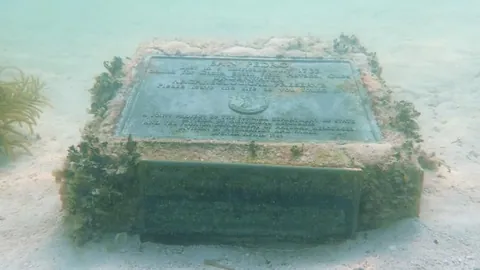
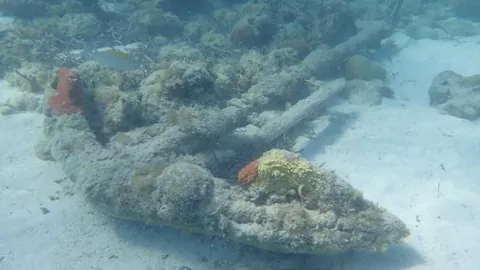
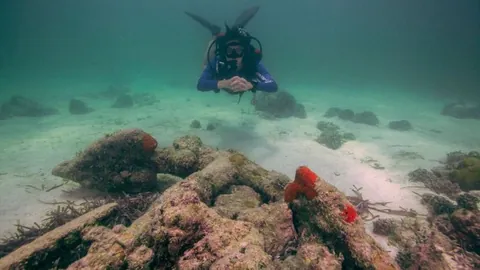
The “San Pedro” is a notable shipwreck located in the San Pedro Underwater Archaeological Preserve State Park near Islamorada, Florida. It was part of a Spanish flotilla and is a 287-ton, Dutch-built ship that met its fate in a hurricane on July 13, 17331. The wreck was discovered in 1960 in Hawk Channel near Indian Key1. Today, it lies in 18 feet of water and has been enhanced with seven replica cannons, an anchor, and an information plaque for divers to explore. The site is a treasure trove for marine life enthusiasts and history buffs alike, offering a glimpse into the past while surrounded by vibrant sea life.
Route & typical conditions
Route
There are several mooring balls in this site. It's rarely dove by any dive operator in the area. The wreck is mostly the remains of some canons and some debris. Although there is not much to explore, this site is one of the very few natural wrecks that can be visited in the Florida Keys.
Typical conditions
Conditions are often really good in this site. Although surface conditions may impact visibility and general conditions underwater, divers should expect 50 to 70 feet visibility and no currents.
Wreck history
The history of the San Pedro wreck is quite fascinating. The San Pedro was a part of the 1733 Spanish treasure fleet, which was caught in a hurricane while traveling from Havana to Spain. The fleet, consisting of three armed galleons and 18 merchant ships, was loaded with a wealth of goods including tanned hides, rare spices, precious jewels, silver, and gold.
During the hurricane, 19 of the ships were pushed into shallow waters and wrecked along the Florida Keys. The San Pedro, a Dutch-built galleon, was among those that sank. After the storm, the surviving crew members sought refuge on nearby islands and used debris from the wreckage to construct shelters. Rescue vessels arrived later with supplies, divers, soldiers, and salvage equipment to assist the survivors and recover the treasures.
The ships that could not be refloated were burned down to the waterline to facilitate access to their lower holds and to hide them from potential looters. The salvage mission was extensive and lasted several years, eventually recovering more treasure than was originally recorded in the ships’ manifests, indicating that smuggling was likely involved.
The wreck of the San Pedro was rediscovered in the 1960s, and modern salvage efforts proved profitable, yielding thousands of silver coins and other artifacts. The site of the wreck, now covered by bottom sediments, consists of a ballast mound measuring 90 feet long by 30 feet wide. In 1989, the wreck became Florida’s second Underwater Archaeological Preserve. The site has been mapped by archaeologists, and replica cannons and an anchor have been placed to enhance the diving experience.
Today, the San Pedro rests in 18-20 feet of water about 1¼ nautical miles south of Indian Key. It is a popular dive site within the Florida Keys National Marine Sanctuary and is home to a diverse array of marine life. Divers and snorkelers can explore one of Florida’s oldest shipwreck sites, but are reminded to respect the historical significance of the area by taking only pictures and leaving only bubbles.
Divers' uploaded pictures
No diver pictures yet.