Shallow Reef FL Keys
Reef · Key Largo also known as shallow 2 site scuba,shallow reefs,captains choice,captain's choice,shallow reef,deeper reef
 Open Water Max 40 ft Avg 25 ft Permanent Mooring Balls
Today PMAverage
Details
Open Water
Minimum recommended certification
- Max depth
- 40 ft
- Average depth
- 25 ft
- Access
- Permanent Mooring Balls
- Sea state today
- AMAverage PMAverage
Video
🎥 Padi TV
Pictures 3
Where it is
Next boats to this site 0
No confirmed trips to this site are listed yet.
Operators that dive here


Best Gas


Gas prices
| Diluent tank | $35.50 |
| O2 tank | $10.00 |
atm
atm


Gas prices
| Aluminum 80 | $10 |
| Steel HP 100 | $10 |
| Steel LP 85 | $10 |
NDL at is
24 hr min surface interval
Always use a dive computer
Site description
Shallow diving offers several advantages, especially in the Florida Keys where the reefs are easily accessible. Let’s explore the benefits:
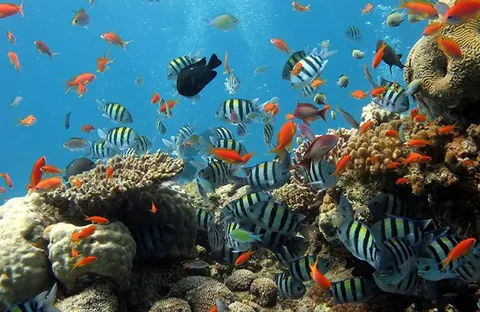
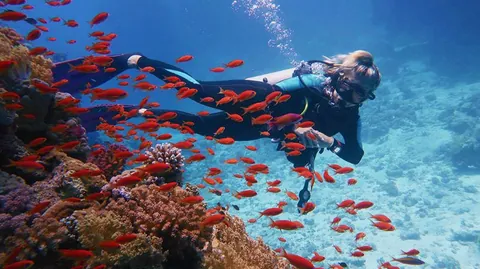
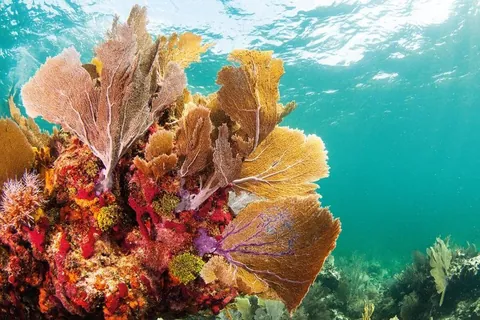
Increased Visibility: Shallow dives typically range between 30 to 40 feet. At these depths, more sunlight penetrates the water, resulting in better visibility. You’ll be able to see vibrant colors, intricate structures, and a variety of marine life.
Extended Dive Time: Unlike deep dives, where nitrogen absorption limits bottom time, shallow dives allow you to stay underwater as long as your air supply permits. This extended bottom time provides ample opportunity for exploration.
Safety: Shallow dives are safer due to reduced nitrogen buildup. Nitrogen absorption is less pronounced at shallower depths, minimizing the risk associated with repetitive dives. Additionally, monitoring air consumption, depth, and time remains crucial for all divers.
Here some of our most beautiful shallow reefs:
Christ of the Deep Statue (Key Largo): This iconic statue stands on a concrete base in sandy waters just 25 feet deep. It’s an ideal spot for novice divers and snorkelers alike.
French Reef (Key Largo): Dazzling French Reef ranges from 15 to 40 feet deep. Divers can explore cliffs, canyons, gullies, and archways, encountering large groupers and moray eels.
Davis Reef (Islamorada): Davis Reef features an easily navigable ledge where divers can “cruise the wall.” Don’t forget to rub Buddha’s belly for luck! The sand off the ledge is approximately 25 feet deep.
Alligator Reef: Located a few miles away, Alligator Reef features a shallow ledge teeming with yellowtail snapper, grunts, goatfish, and damselfish. The iconic Alligator Reef Lighthouse marks this site, and there’s even a miniwall where lobsters thrive and moray eels hide in crevices.
Davis Reef: Like Alligator Reef, Davis Reef lies within a Sanctuary Preservation Area, ensuring healthy fish and crustacean populations. Explore the easily navigable ledge and don’t miss the chance to rub Buddha’s belly for luck!
Sombrero Reef (Marathon): With depths ranging from 6 to 25 feet, Sombrero Reef is a stunning underwater paradise. Brilliantly colorful marine life thrives among magnificent coral spurs, resembling long fingers separated by white sand. Keep an eye out for the 8-foot-tall natural coral bridge known locally as “The Arch” – it’s perfect for underwater portraits.
Looe Key: Named after the British frigate H.M.S. Looe, this unique spur-and-groove reef formation lies just south of Big Pine Key. Divers can explore depths ranging from 5 to 35 feet, making it suitable for both beginners and experienced divers. Looe Key boasts an incredible diversity of fish species, including yellowtail, angelfish, parrotfish, barracuda, and moray eels. The area is fully protected, ensuring a thriving marine ecosystem.
Rock Key and Eastern Dry Rocks: Located offshore from Key West, these reefs offer depths from 5 to 35 feet. Rock Key and Eastern Dry Rocks are part of a Sanctuary Preservation Area (SPA) and are ecologically significant. The coral formations include long fingers separated by sand and deeper canyons. Divers can discover remnants of shipwrecks, such as cannonballs, ballast stones, and brass spikes. These reefs are excellent for both wreck diving and snorkeling.
Route & typical conditions
Route
In most cases shallow reef dives in the Florida keys are conducted as anchor dives, meaning that divers shall return to the starting point of the dive and not as drift dives.
Most of the sites have mooring balls for the dive operators to park the boat and avoid dropping anchors on sensitive bottom areas.
Typical conditions
In general, the conditions in these sites are really good. Visibility tends to be no less than 50 feet and up to 100 feet in good conditions. Currents are typically mild.
Surface conditions may affect dives: if choppy at the surface, divers may feel the surge underwater.
Divers' uploaded pictures
No diver pictures yet.