Adaptive Scuba Diving: Start With the Diver, Not the Label
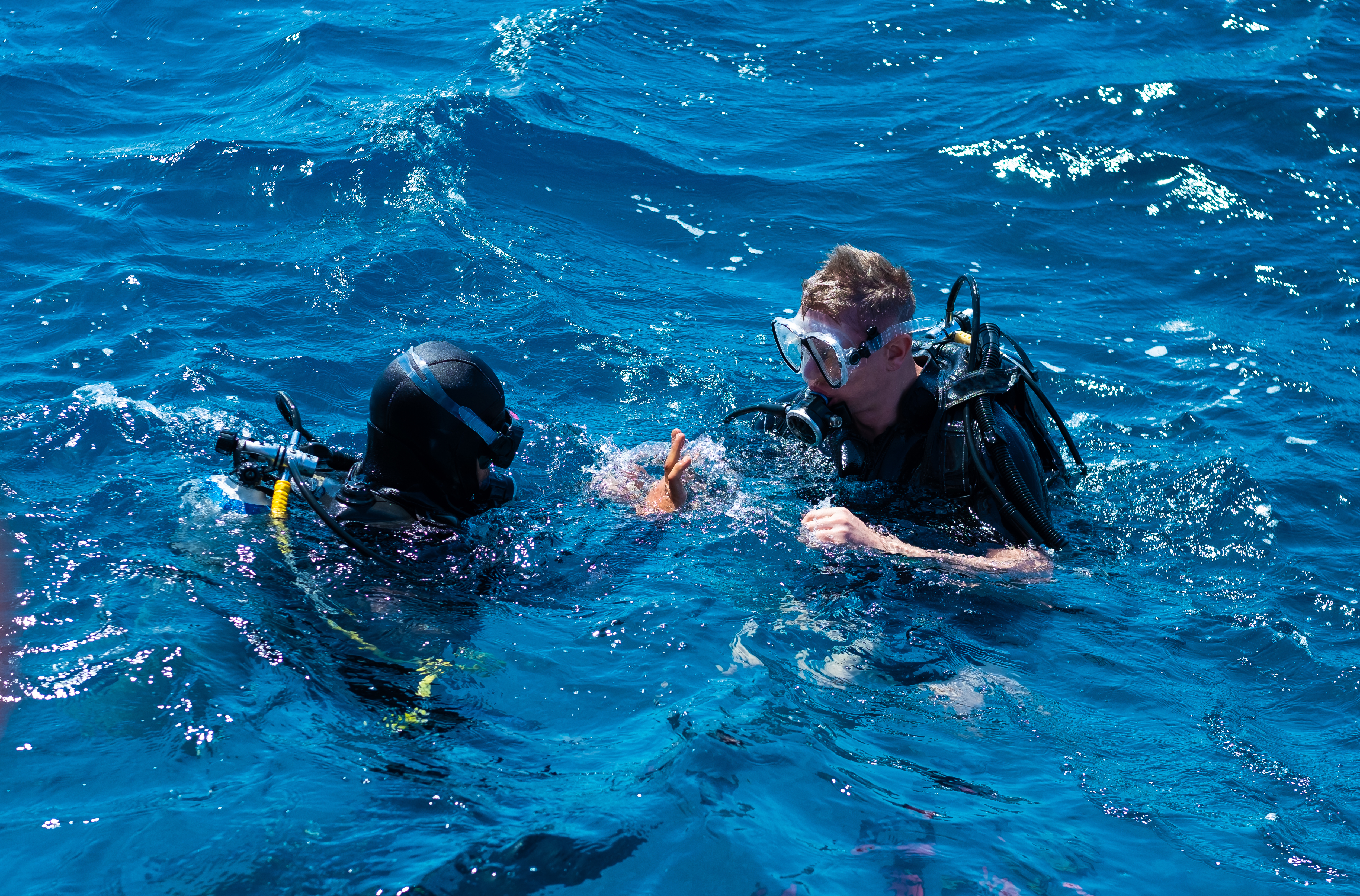
The first question I ask a diver isn’t “What can’t you do?” It’s “What do you want to do underwater?” The answer might be to see a ray, swim next to a buddy, or simply get comfortable breathing underwater for the first time. That’s where the lesson starts.
Adaptive diving can sound like a whole different kind of scuba. It isn’t. Divers adapt all the time. We change the entry when the surf picks up, move gear where a buddy can reach it, or call a dive when the plan no longer fits. Adaptive instruction takes that same habit and pays closer attention to the person in front of us.
Change how we teach. Keep the safety standard.
A diver who finds a ladder awkward might do better with a different entry or with the right help at the exit. Someone who doesn’t find the usual hand signals practical may need a different way to communicate with their team. We try those changes in a controlled setting before counting on them in open water.
I want the diver involved in every one of those decisions. Ask what already works, give them time to try it, and don’t rush in to help before they ask. Then check that the plan works consistently, including when something unexpected happens.
What does a classified diver need from their buddies?
The classification helps describe the support a diver needs. Before getting in, the team should know what the diver handles independently, when to offer help, and what everyone will do if the dive has to end early. There’s no universal buddy setup. The right plan depends on the individual, their training, and the actual dive.
Some divers will always prefer or need a trained support team. Others may eventually meet all the requirements for unrestricted Open Water certification. When a diver earns that certification under the same standard as everyone else, that’s the card they should receive. Neither path makes anyone less of a diver. What matters is going diving with a plan that actually works.
Start the conversation before you pick the site
If you’re looking at training, tell the instructor what you want out of it, what equipment or assistance already works for you, and what you’d like to try in the pool. At our shop in Stuart, Florida, the SDI Scubility Diver course and Open Water certification options are good places to start that conversation.
For an example of how much site choice matters, look at Blue Heron Bridge in Riviera Beach. The Phil Foster Park dive and snorkel guide helps you think through shore access, while the Blue Heron Bridge tide chart gives you a starting point for timing. A good tide prediction doesn’t tell you whether the actual conditions, entry, or exit will suit your team. Talk through those details before you commit.
The best part for me is seeing a diver go from “I wonder if I can do this” to “When are we going again?” That’s a good day at work.
Benjamin Hadfield is an adaptive diving instructor trainer and co-owner of Stuart Scuba. This piece is adapted from his original article on adaptive scuba diving.