
Night Diving: A New Ecosystem Revealed

Best suited for divers certified Advanced Open Water and above.
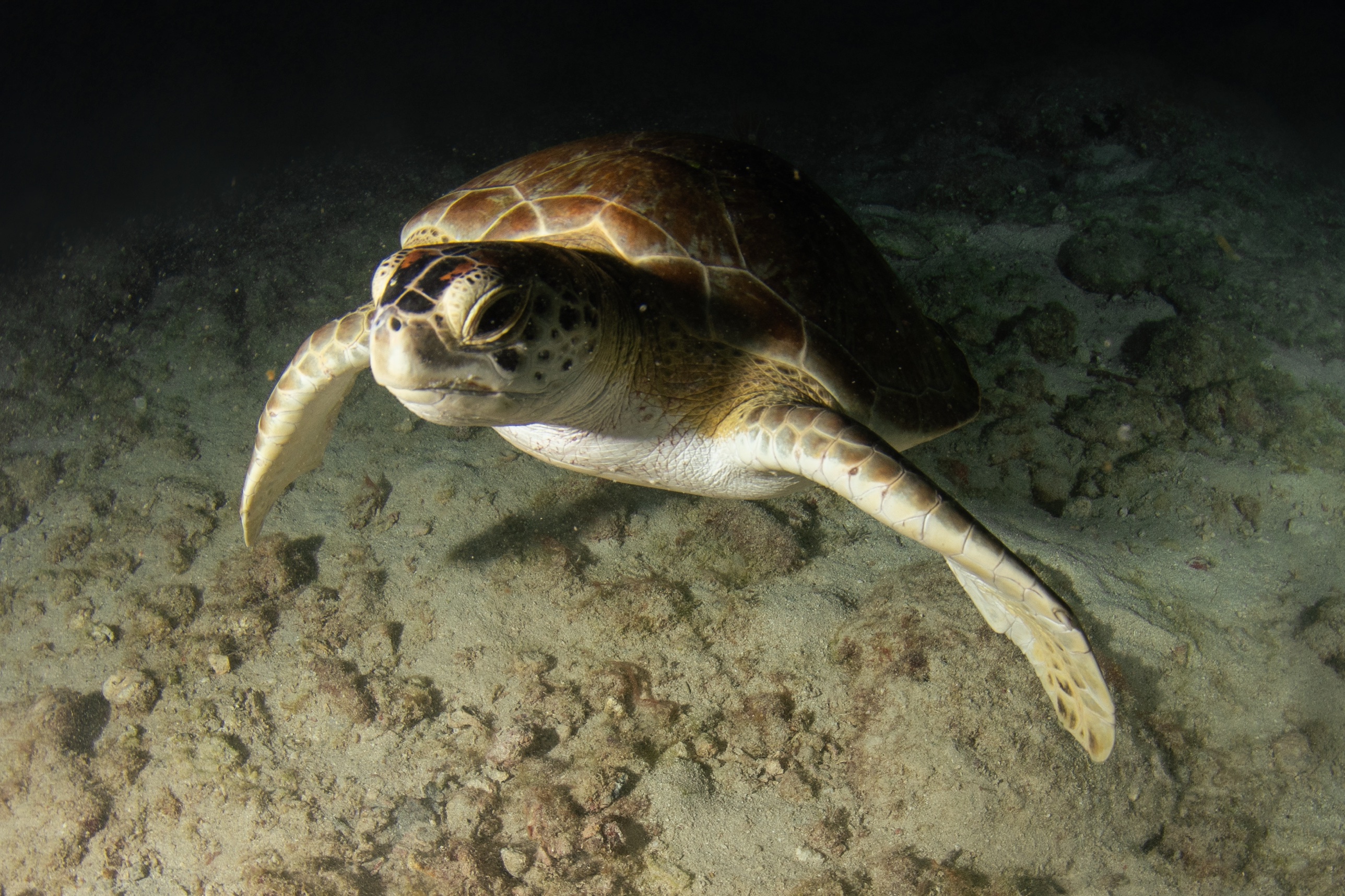
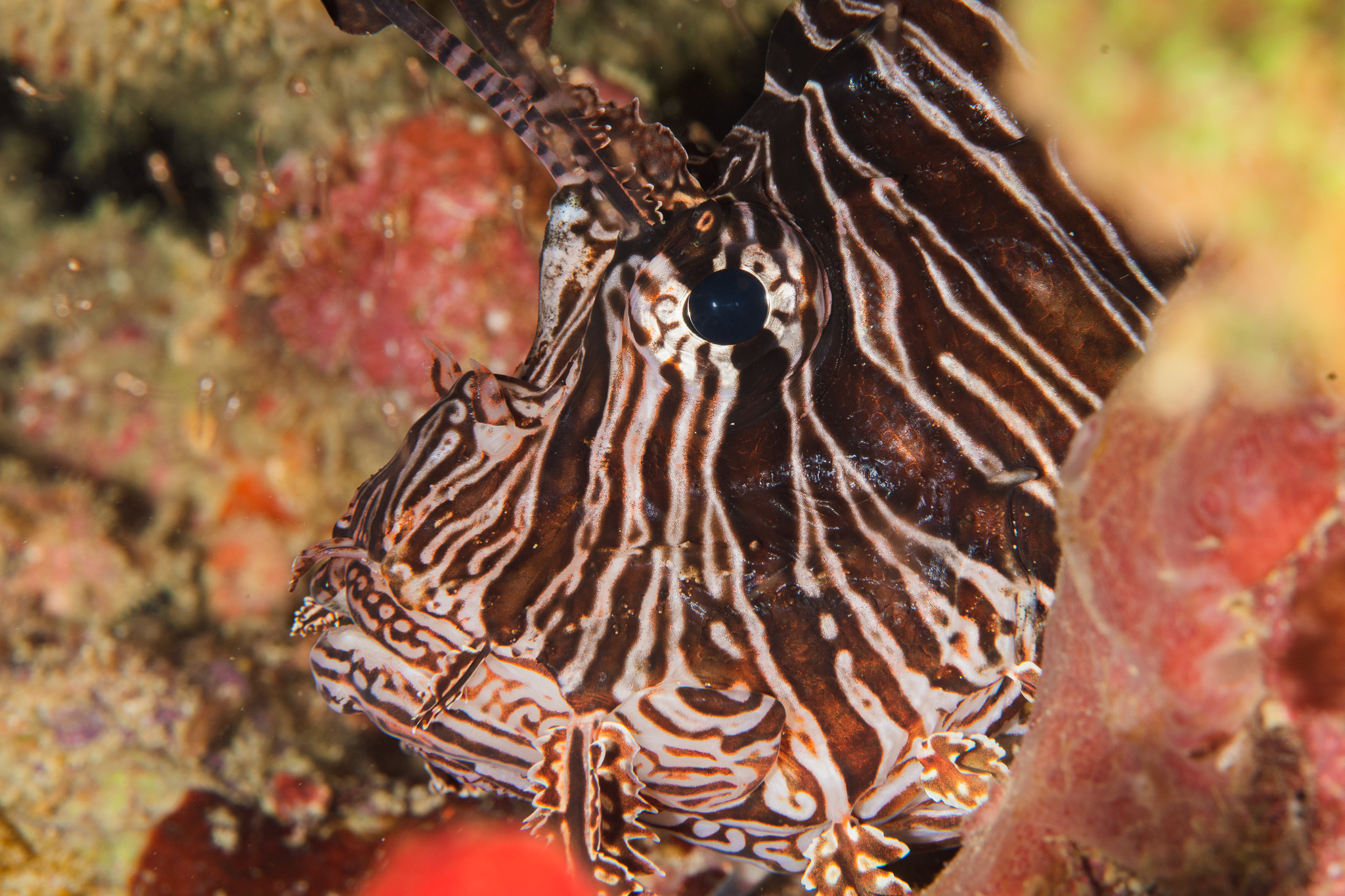
Dive the same reef in daylight and at night and you'll swear they're two different sites. It's not a lighting trick - the animal population on a Florida reef genuinely changes shift-for-shift with the sun, and most of what's active after dark is invisible during the day.
What comes out after dark
Spanish lobster - the flat, antenna-less cousin of the spiny lobster most divers already know - come out from under ledges to forage, alongside spiny lobster walking exposed across open sand instead of staying tucked away. Octopus hunt actively in the open, and crabs that spend daylight buried or wedged into a crevice come out across the reef. Moray eels, which barely twitch during the day, patrol and hunt visibly after dark, and nurse sharks - usually found resting motionless under a ledge by day - become genuinely active foragers at night.
What goes still
Coral polyps that stay retracted all day extend to feed once dusk passes, which is why a reef's texture itself looks different at night - fuzzy and alive instead of smooth rock. At the same time, plenty of the fish you watched all afternoon are asleep. Parrotfish are the well-known example: several species spin a mucus cocoon before bed, a clear bubble that's thought to mask their scent from nighttime predators while they rest.
Look, don't disturb
Almost everything you'll see on a night dive is more vulnerable in the moment than it would be by day - an octopus caught mid-hunt, a sleeping fish, a lobster out in the open with nowhere to retreat quickly. Keep your light off an animal's eyes when you can, give resting fish space instead of getting close for a photo, and don't touch, corner, or chase anything just because the dark makes it feel like nobody's watching. The whole appeal of a night dive is seeing the reef behave naturally - crowding an animal defeats that for you and for the next diver who finds it already spooked.
The rules are the same, just tighter
Everything that governs a normal dive still applies at night - buddy system, dive planning, no-decompression limits - but the margins get tighter, not looser. Boats run more conservative depth and time plans, stick closer to their buddy than they would in daylight, and treat the entry and exit points as fixed, briefed locations rather than something to improvise. Night diving isn't a different rulebook; it's the same one enforced more strictly, because the reasons for those rules matter more once you can't just look around and orient yourself.
Why the certification actually matters
It's tempting to treat a Night Diver specialty as a formality, and it genuinely isn't one. The course covers real, specific gear requirements - a primary light rated for the dive plus a backup, and a tank marker light so your buddy and the boat can find you - none of which a standard Open Water course spends real time on. More importantly, it covers emergency procedures that are meaningfully different in the dark: how to signal a problem without being able to shout across open water, what to do if your primary light fails mid-dive, and how to reunite with a buddy you can no longer see rather than just find by looking around. None of it is complicated, but almost none of it is intuitive the first time you actually need it - which is exactly why it's worth learning before that moment, not during it.
Where to do it
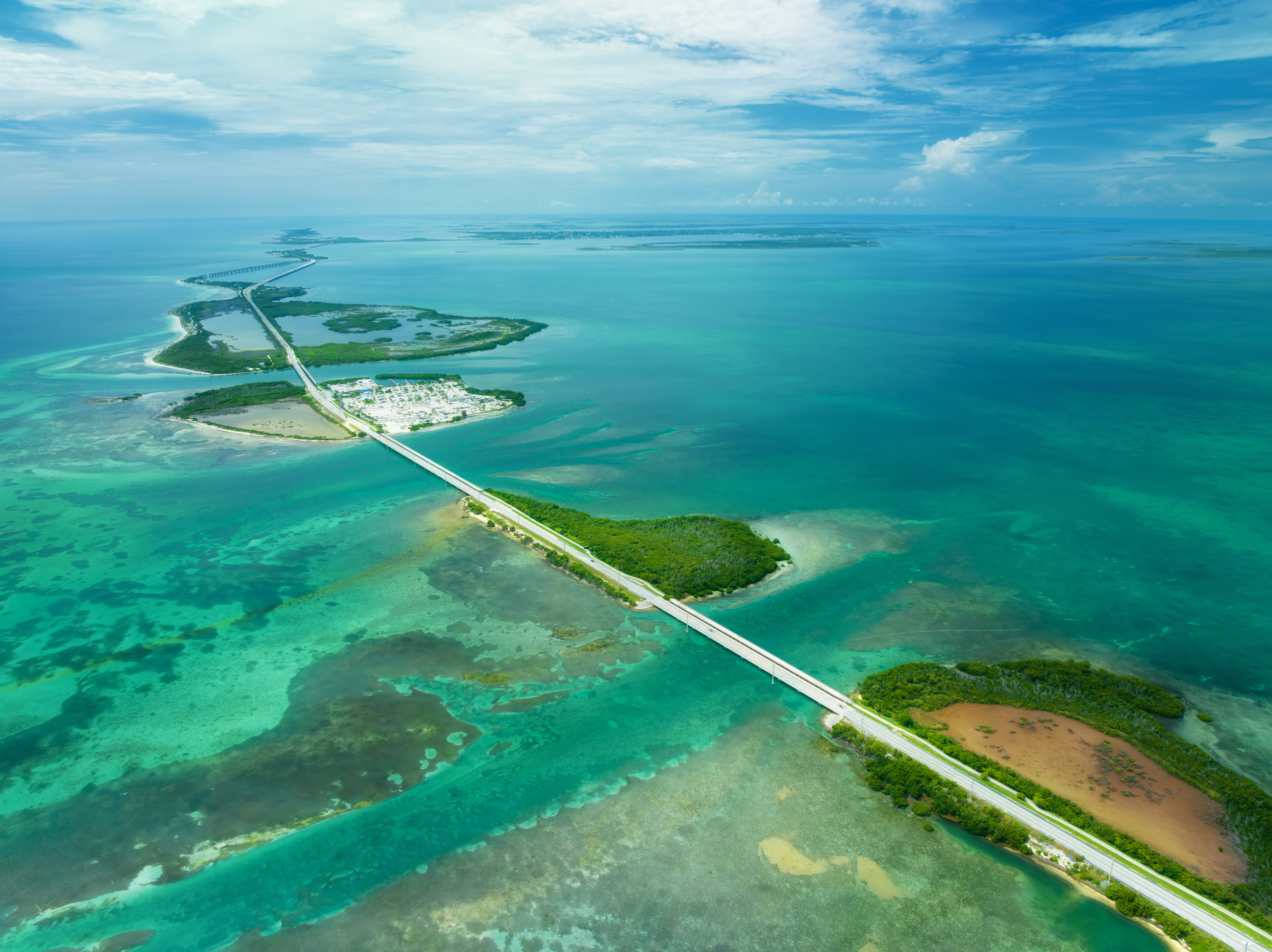
A number of operators around South Florida run night dives as a regular, standing trip rather than an occasional add-on - South Florida Diving HQ in Pompano is one example that runs them consistently on its schedule, on the same wrecks and reefs its daytime trips already visit. The sites don't change; only what's active on them does.
Get certified, bring the backup light, and go see the half of the reef that's been there the whole time.