Drift Diving 101: Let the Current Do the Work

Best suited for divers certified Open Water and above.
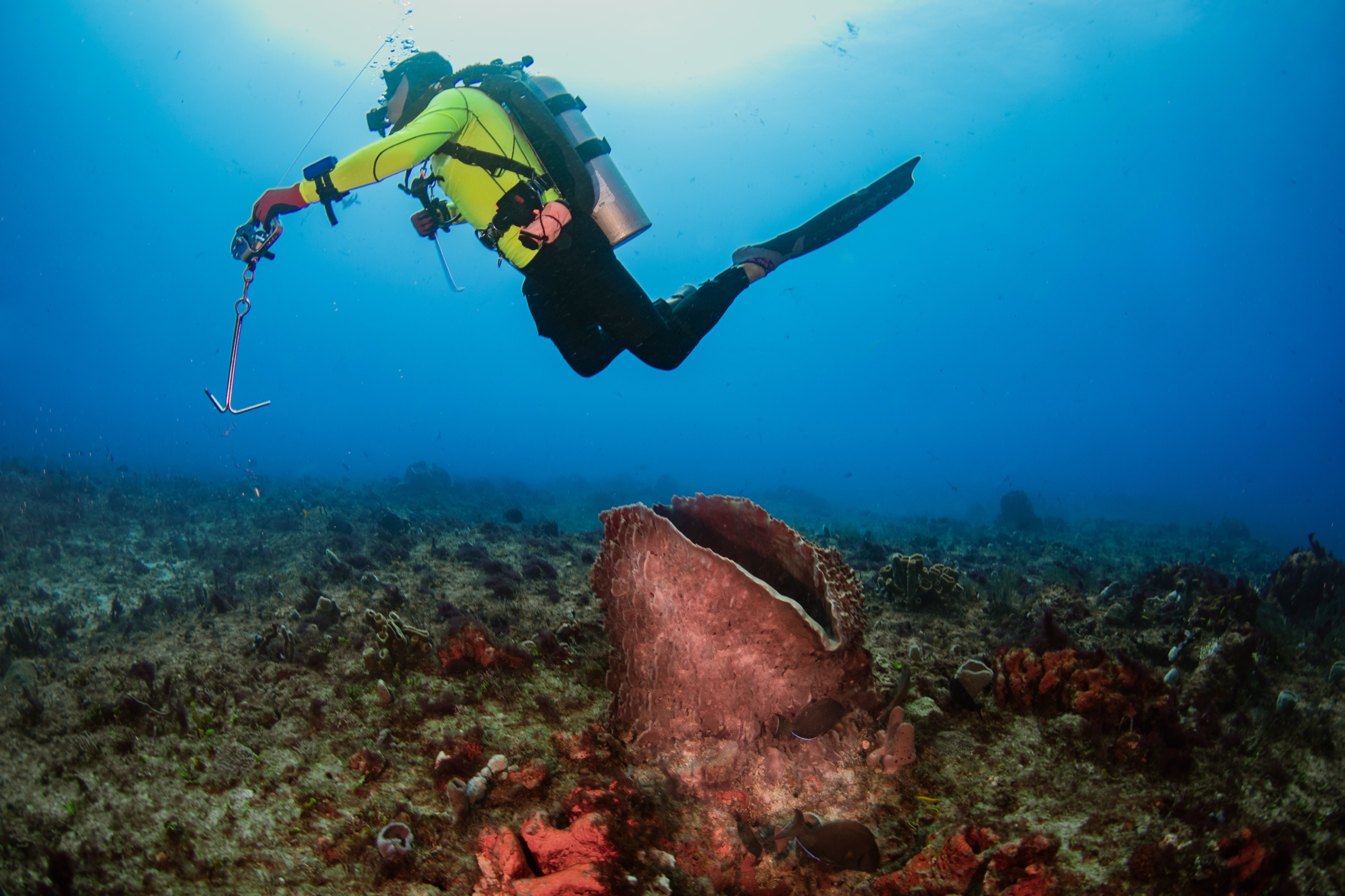
Drift diving is less work than a normal reef dive, not more - the current does the swimming, you just manage buoyancy and stay with your group. In Florida it's also not really an optional specialty most divers can skip: the currents that run along this coast make drift the default way a lot of local diving actually happens, whether or not anyone calls it that on the boat.
Why so much Florida diving is drift diving
The Gulf Stream runs close to the Florida coast for most of its length, and that current is what's actually moving you on a huge share of local dives. It's most pronounced around Palm Beach and Jupiter, where the Gulf Stream swings in closest to shore - boats there routinely don't anchor at all, following the divers' bubbles or a trailing marker instead, because a fixed-site dive often just isn't the normal way those reefs get dived.
The Keys: shallow reefs are calmer, the deep reef line isn't
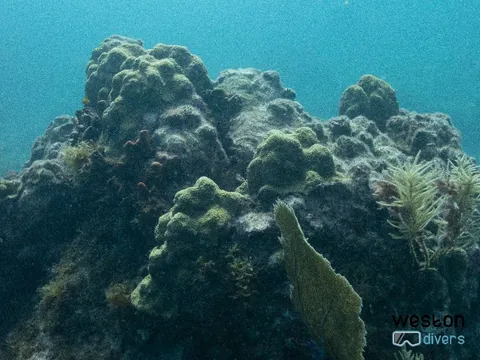
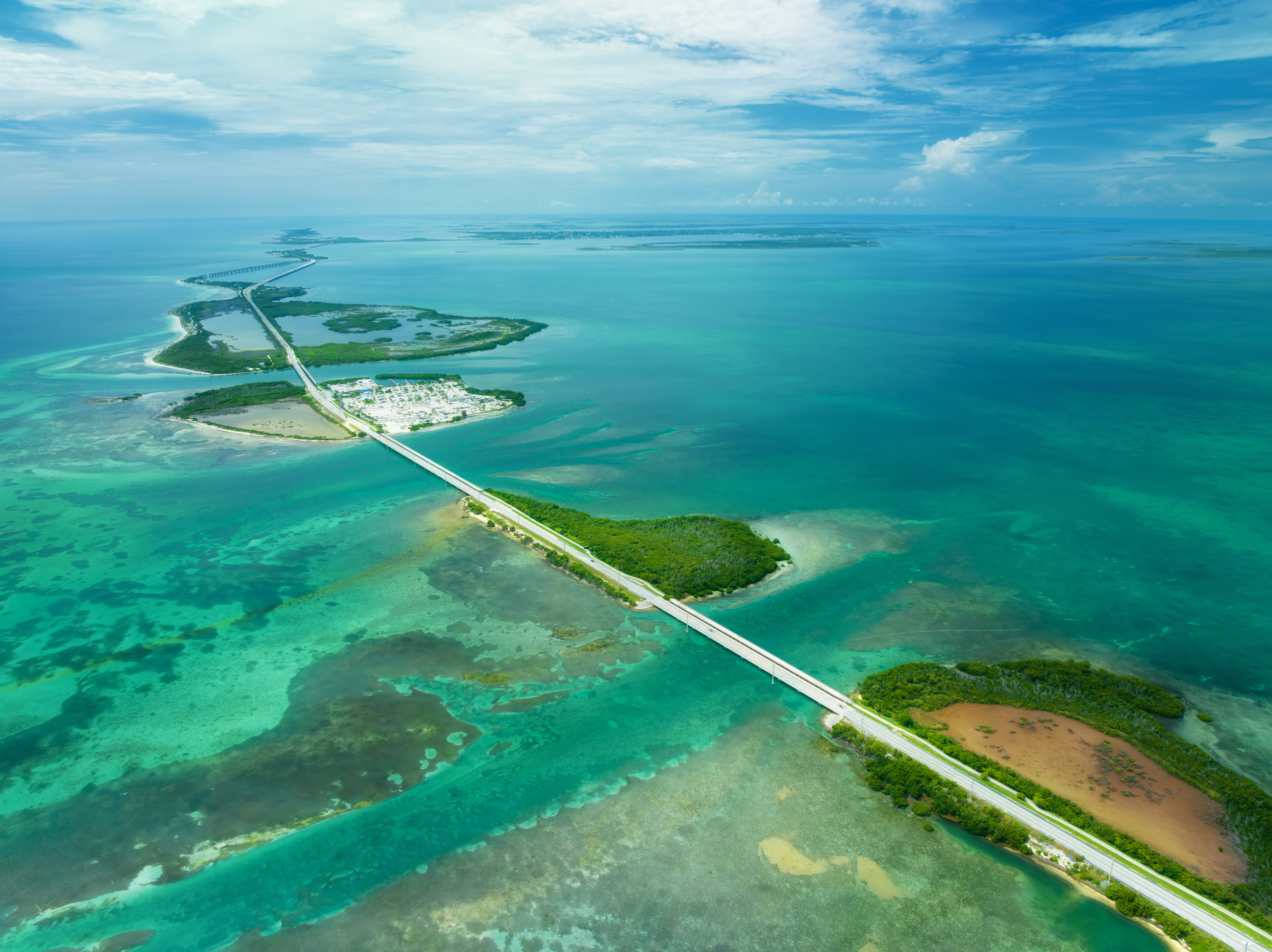
Further south, the pattern shifts. Shallow patch reefs in the Keys - the kind of site a mooring ball sits comfortably on all day - are typically dived as fixed sites with mild, manageable current, not drift dives. But move out to the deeper reef line offshore, sites like Molasses Reef or French Reef, and drift becomes the norm rather than the exception. The current picks up noticeably as you get into deeper water further from shore, and boats running those sites plan the dive as a drift from the start rather than fighting to hold a mooring.
The flag isn't optional - it's Florida law
Florida requires a divers-down flag or buoy to be displayed any time someone's in the water diving or snorkeling, and boat traffic is legally required to keep a set distance from it. That's true whether you're towing your own surface marker on a drift dive or the charter boat is flying the flag for the whole group - either way, going in without one isn't a minor oversight, it's against the law, and it's the single biggest thing keeping a boat from running you over while you're focused on the reef instead of the surface.
The briefing helps, but get certified anyway
Every operator running a real drift dive gives a proper briefing beforehand - entry procedure, how the group stays together, what the boat's doing while you're down, what to do if you surface away from everyone else. That briefing genuinely covers what you need for that specific dive. It's still worth getting an actual Drift Diver specialty certification from a real agency if you're going to be doing this regularly: a course covers things a five-minute boat briefing can't, like descending as a group without scattering, positioning yourself in the group relative to the current, and deploying a surface marker buoy while you're still moving instead of stopped.
None of this makes drift diving harder than a normal dive - if anything it's easier on your legs. It just means Florida's currents are worth understanding before you assume every dive here works like a still-water reef dive somewhere else.
Dive these sites
-
1
Molasses
One of the Upper Keys' deep reef sites where drift is the norm, not the exception - Molasses Reef sits well offshore from the shallow patch reefs.
-
2
French Reef
French Reef's swim-throughs and arches, dived as a drift more often than a fixed-mooring site.
.webp)