
Lionfish With Open Sores: What South Florida Hunters Need to Know
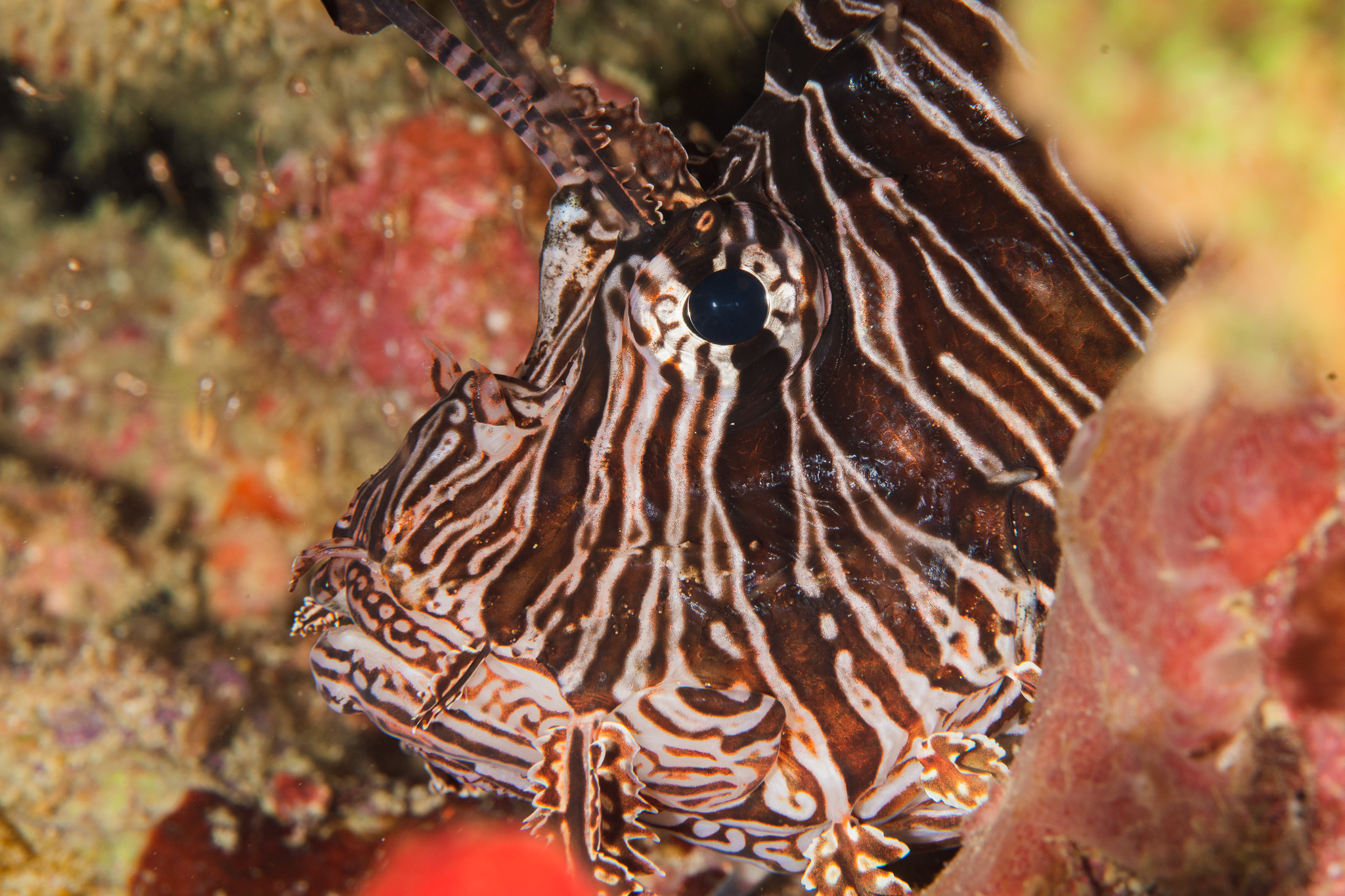
If you've been hunting lionfish long enough, you may have pulled one up with a nasty open sore on its side. You're not imagining it, and it's not just a spear wound. Scientists have been tracking a lionfish skin disease for years, and it has had a real impact on the invasion.
Where it started
The first documented case was August 5, 2017, from lionfish harvested off artificial reefs near Destin. Out of 503 lionfish, 201 had ulcers, about 40%. The sores went deep enough through the skin to expose muscle, with dead tissue sloughing off.
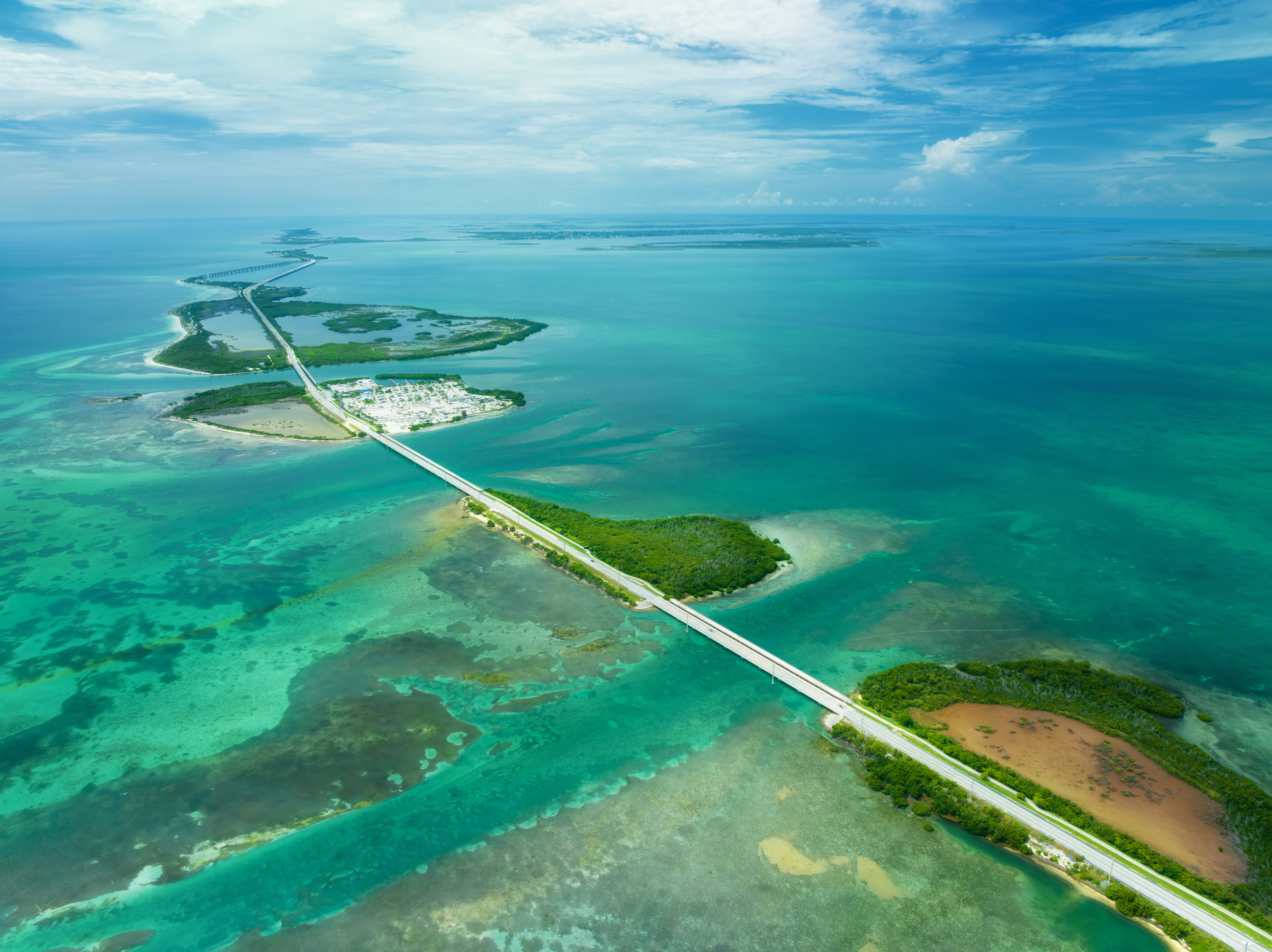
It didn't stay in the Panhandle. Reports came in from the West Florida Shelf, the East Florida Shelf, the Florida Keys, the Bahamas, the Cayman Islands and the U.S. Virgin Islands. Sick lionfish were also found off South Carolina. That means our reefs here in South Florida are in the mix.
What it did to lionfish numbers
This is the part every hunter wants to hear. After the outbreak, surveys showed lionfish density on natural reefs dropped 75% in 2018, and new recruits fell by more than 80% that summer. The biggest drops, 77 to 79%, were on high density artificial reefs. Sick fish were also noticeably skinnier than healthy ones.
Before you hang up your pole spear, though, there's a catch. Reproduction bounced back in 2018 to levels on par with 2014, and since the peak the infection rate has bounced between 0 and 14%. Invasive species often go through boom and bust cycles. The disease knocked them back. It did not finish the job.
So what causes it?
Honestly, nobody knows for sure. Early tests for molds, bacteria and viruses turned up no clear culprit. A larger follow up study examined 15,670 lionfish and found about 6% with ulcers and 3% with scarring. A bacteria called Vibrio harveyi was the dominant species in 9 of 10 sores sampled, and no viruses were found.
Researchers also noticed something strange. The sores showed up at almost the same time at spots about 400 km apart, which doesn't fit a typical spreading outbreak. That points toward environmental factors playing a role. One theory: lionfish in the Atlantic come from a limited gene pool and may have weaker immune systems, making them more vulnerable to local pathogens than our native fish.
Can it spread to native fish?
That's the big unknown. Since the cause hasn't been pinned down, nobody can say yet whether native fish are at risk. That's exactly why your reports matter.
Is it safe to eat?
University of Florida researchers said they knew of no reported case of anyone getting sick from eating healthy or ulcerated lionfish, but they couldn't make definitive statements about human health. Our take: spear it, get it off the reef, but skip the sore ones for dinner. Plenty of healthy fish out there to fill the cooler.
What to do if you spear one
Take it anyway. Sick or not, it's still eating our reef fish.
Snap clear photos of both sides and note your location and depth.
Report it to the FWC Fish Kill Hotline at 1-800-636-0511 or online at myfwc.com.
Seeing sores on native fish too? Report those as well.
UF and FWC researchers have specifically asked divers and lionfish harvesters to send in photos of ulcerated fish. Nobody is in the water with these fish more than we are, so this community can make a real difference.
Keep hunting
A disease isn't going to clean up our reefs for us. Every lionfish you pull is one less predator eating juvenile snapper and grouper. Get out there, keep your tallies up, and post your hauls in the Groups tab so we can see what you're finding.
Sources: University of Florida IFAS Extension, Florida Fish and Wildlife Conservation Commission, Scientific Reports (2020), Journal of Aquatic Animal Health (2023).