The Gear You Should Own, and the Gear You Should Rent
One rule sorts the whole question
New divers get told two opposite things: buy everything, or buy nothing and rent forever. Neither is advice. Here is the rule that actually works.
Own what has to fit your body, and what keeps you alive. Rent what is bulky, heavy, and interchangeable.
Everything below is just that sentence applied in order.
Buy first
These are the items where a rental is either a bad fit, a bad habit, or a bad outcome.
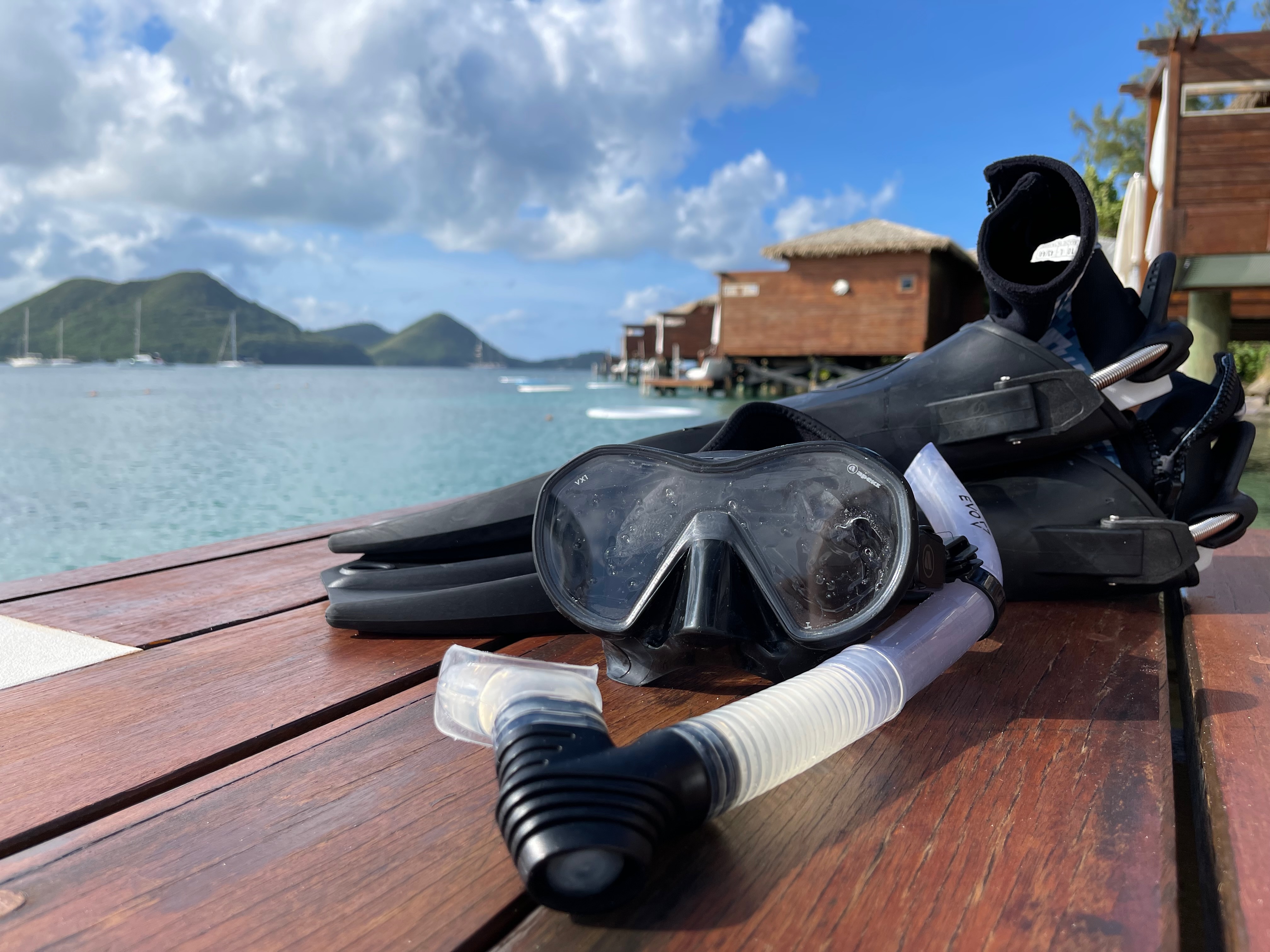
A mask that fits your face. The difference between a dive you remember and ninety minutes of clearing water. Rental masks fit nobody in particular, and a leaking mask quietly ruins your buoyancy, your air consumption and your temper. Go to a shop, try ten, buy the one that seals on your face without the strap. This is the cheapest big upgrade in diving.
A dive computer. Your profile, your nitrogen, your history. Diving a rental means diving a device that does not know what you did yesterday, with settings somebody else chose, and an interface you are reading for the first time at depth. Own one, learn it, keep it.
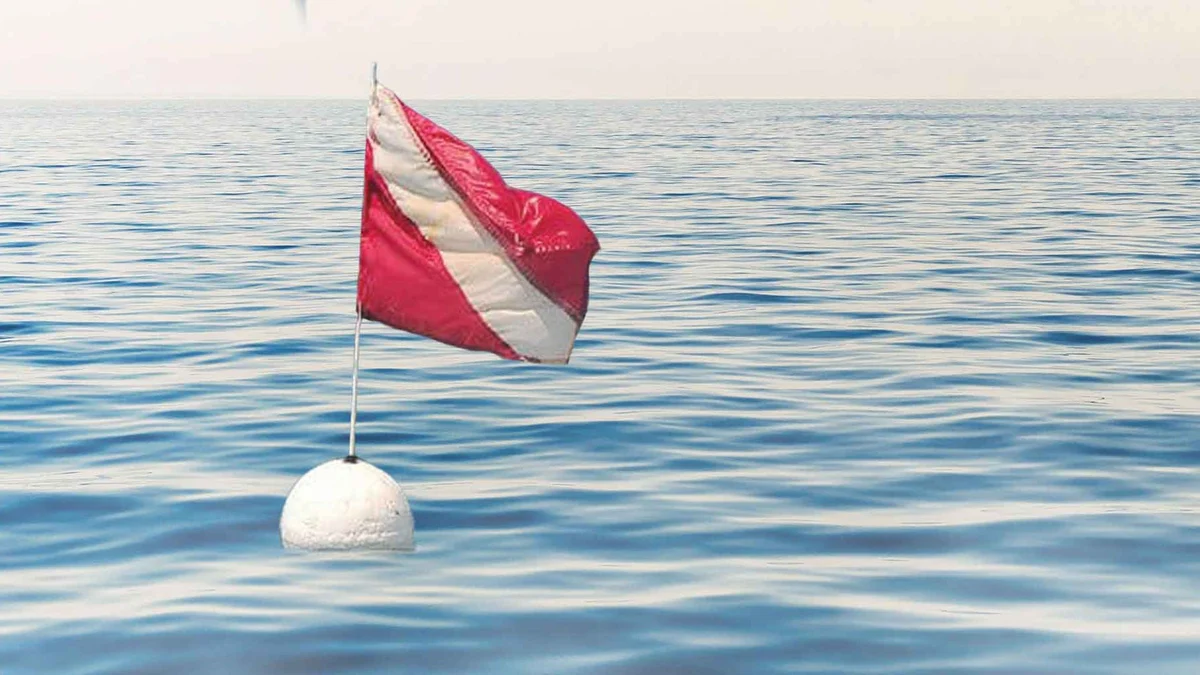
A surface marker buoy and a spool. In South Florida this is not an accessory. Most of our best diving is live-boat drift diving, and the SMB is how the boat finds you. If you dive Palm Beach or Jupiter and you do not carry one, that is the next thing you buy, before fins.
A cutting tool and a small light. There is monofilament on every wreck we dive. A line cutter or shears belongs where you can reach it with either hand. The light is not just for night diving. It is what lets you see colour at 80 feet and look into the structure you are swimming past.
Exposure protection that fits you. A rental wetsuit is either a size too big and flushing cold water, or a size too small and exhausting. Buy for the water you actually dive, and remember that our water is not one temperature all year.
Buy next
Once you are diving regularly, not once a year on vacation.
Fins and boots. Rental fins are usually fine and occasionally awful. Owning them means your kick is the same every dive, which matters more than most people expect.
A regulator set. Rented regs are generally well maintained, and shops have every reason to keep them that way. What you buy when you buy your own is not better air, it is a known quantity. Yours, serviced on your schedule, breathing the way you expect.
Buy last, or never
BCD, tanks, weights. Heavy, awkward to travel with, cheap to rent, and expensive to own badly. Plenty of experienced divers never buy a tank in their life. If you dive locally every week and you are tired of paying for rentals, buy a BCD. If you are flying anywhere with your gear, think hard before adding fifteen pounds of jacket to your bag.
Do the arithmetic before you buy
The honest way to decide any of these is cost per dive.
Take the price of the item, plus what it costs to service or replace it over five years.
Divide by the number of dives you realistically do in five years. Be honest. Not the number you wish you did.
Compare that to the rental fee per dive.
Gear that fits your face and gear that keeps you alive wins this calculation almost immediately, which is why it is at the top of the list. A BCD for someone who dives twice a year does not.
A few things specific to diving here
Our conditions push a couple of items up the list that a guide written for the Caribbean would rank lower.
Drift diving makes the SMB essential rather than optional. Carry it, and know how to deploy it before you need to.
Summer water lets most people dive a skin or a thin suit. Winter does not. Plan for both rather than buying once.
Nitrox is worth the course if you are doing repetitive deep days on our wrecks, and your own computer makes it simple to use properly.
Our wrecks are full of line and structure. The cutting tool and the light earn their place on nearly every dive.
What not to spend money on yet
Nobody needs a second regulator set, a backup computer, or a camera rig in their first fifty dives. The gear that improves those dives most is the gear you already have, used better. Buoyancy costs nothing and fixes more problems than any purchase on this page.
Buy the mask. Buy the computer. Buy the marker. Then go diving, and let what annoys you tell you what to buy next.
Browse South Florida operators and schedules
How live-boat drift diving works