Blue Heron Bridge
Other · West Palm Beach
26° 46.877' N 80° 02.828' W
 Open Water Max 22 ft Avg 10 ft Beach Access, 150 ft from shore
Today PMPoor
Details
Open Water
Minimum recommended certification
- Max depth
- 22 ft
- Average depth
- 10 ft
- Access
- Beach Access (150 ft from shore)
- Sea state today
- AMPoor PMPoor
Video
🎥 In Depth Adventures
Pictures 9
Where it is
26° 46.877' N 80° 02.828' W
Next boats to this site 0
No confirmed trips to this site are listed yet.
Operators that dive here

Best Gas


Gas prices
| Diluent tank | $35.50 |
| O2 tank | $10.00 |
atm
atm


Gas prices
| Aluminum 80 | $10 |
| Steel HP 100 | $10 |
| Steel LP 85 | $10 |
NDL at is
24 hr min surface interval
Always use a dive computer
Site description
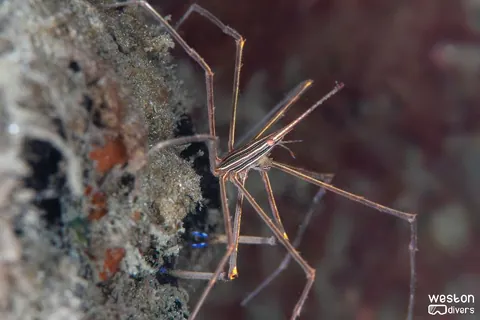
The renowned Blue Heron Bridge is situated in West Palm Beach, Florida. It is a paradise for macro enthusiasts and has earned the moniker ‘Lembeh Straits East,’ reminiscent of the critter-rich diving capital in the Philippines. The bridge offers incredible biodiversity and an easily accessible shore dive within a picturesque park. Unsurprisingly, it ranks among the top diving sites in North America, attracting divers from around the globe.
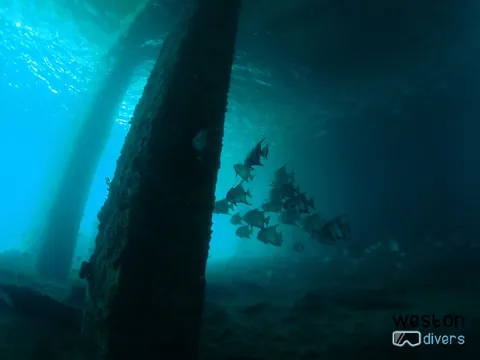
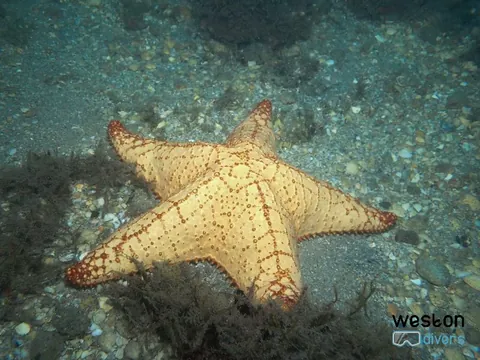
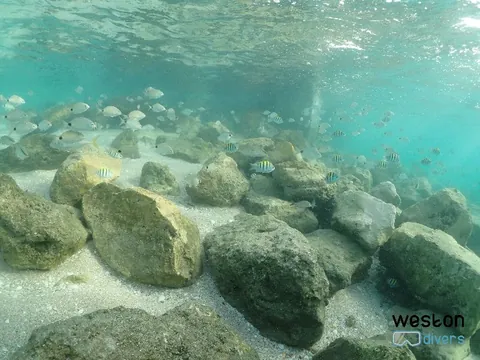
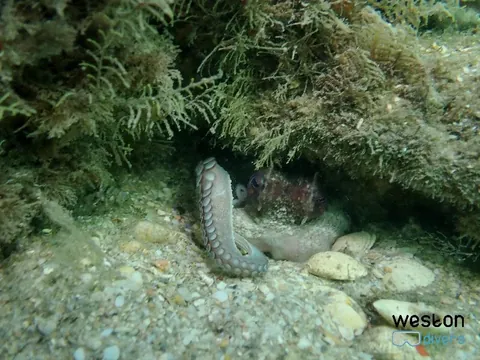
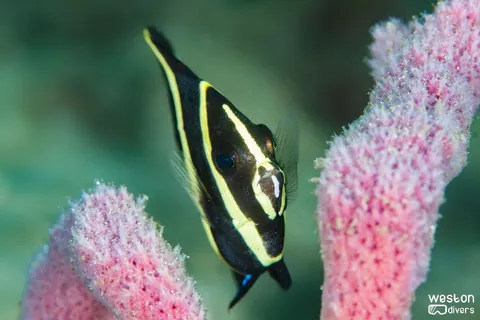
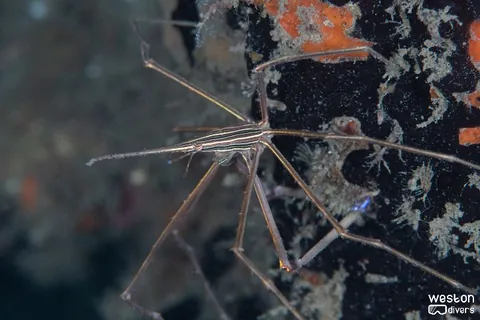
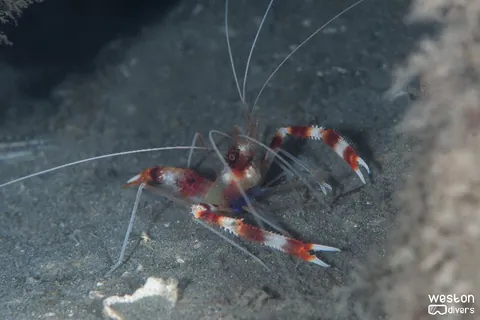
The marine life here is a photographer’s dream. From Southern Stingrays and schools of Barracuda and Atlantic Spadefish to prehistoric-looking Batfish and Sea Robins, the diversity is astounding. Even the tiniest nudibranchs, measuring just a few millimeters across, thrive in this underwater haven. Lucky divers might also spot a Manatee seeking refuge during colder weather. The bridge’s proximity to the ocean, its sturdy structures, and the nourishing currents from the tides contribute to this thriving ecosystem.
Beyond its natural wonders, the Blue Heron Bridge offers practical advantages. Divers can rent two tanks, weights, and a dive flag for a reasonable $38 USD. With depths ranging from 6 to 22 feet, dives often exceed two hours. Additionally, being part of the Intercoastal Waterway provides shelter from inclement weather (such as winds). The snorkel trail allows non-diving companions to explore, and the bonus? You don’t need to travel halfway across the world to witness unique supermacro life, like Bumble Bee shrimps.
However, popularity comes with a downside. The word is out, and peak times (especially weekends in summer) can get crowded. Up to 100 divers may visit on busy days. Arriving well before high tide is essential to secure parking and set up for an enjoyable dive
Route & typical conditions
Route
Dive Routes at Blue Heron Bridge:
The Blue Heron Bridge offers divers a unique underwater playground with multiple routes to explore. Most divers frequent the East side of the park, congregating near the East Life Guard Station. Here, you’ll find a mix of shallow and deeper areas, perfect for both beginners and experienced divers. However, don’t overlook the West side of the bridge, which sees fewer divers. This quieter area often reveals hidden treasures, including micro life like seahorses. Whether you’re seeking leisurely exploration or specific encounters, the bridge accommodates various dive preferences.
Underwater Artifacts and Wildlife:
The artificial reef created by the Blue Heron Bridge is a fascinating ecosystem. Anastasia rock boulders, totaling over 600 tons, form an 800-foot-long trail known as the Phil Foster Park Snorkeling Trail. Along this trail, divers encounter an abundance of marine life. Here are some artifacts and creatures you might discover:
Juvenile Fish Species: The reef acts as a nursery for countless young fish, including grunts, yellow jacks, and spadefish.
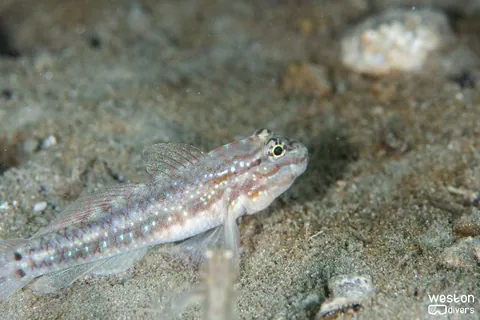
Eels, Blennies, and Gobies: These smaller inhabitants nestle within the reef structures.
Colorful Tropical Fishes: Novice divers appreciate the shallow depths (not exceeding 25 feet) and the vibrant reef-scapes that host a variety of tropical fish.
Diverse Dive Experiences:
There’s no one-size-fits-all dive at the Blue Heron Bridge. Different divers visit for various reasons:
Experienced Divers: They enjoy extended bottom time (often exceeding 90 minutes) to explore at a leisurely pace.
Underwater Photographers: The bridge’s wide variety of small aquatic life and picturesque scenery make it a favorite spot for capturing memorable images.
New Divers: For those just starting out or returning after a break, the bridge offers an easy, stress-free dive. Focus on practicing skills and enjoying the underwater world without nerves.
Student Divers: The Blue Heron Bridge serves as a popular training site for local dive centers, with multiple classes conducted on weekends. Soon-to-be certified divers can experience the wonders beneath the waves
Typical conditions
The Blue Heron Bridge boasts optimal visibility during the incoming tide, as it introduces clean ocean water. Visibility typically ranges from 10 to 20 feet, although experienced divers have reported exceptional conditions of 50 to 60 feet under the right circumstances. Several factors influence visibility:
Rainfall: Recent rain affects water clarity.
Port Activity: Activity in the port north of the bridge can impact visibility.
Canal Openings: The opening of canals to the north plays a role.
Ocean Weather: Oceanic conditions may introduce silt during incoming tides.
Divers' uploaded pictures
No diver pictures yet.