Dive Sites
Browsing as a guest. Create a free account to save trips and plan dives.
+6 photos

General Hoyt S. Vandenberg

Wreck · Key West

24° 27.575' N 81° 44.220' W

Advanced Open Water Advanced Open Water Max 140 ft Avg 120 ft Permanent Mooring Balls Today AMPoor

Details

Advanced Open Water
Minimum recommended certification
Max depth
140 ft
Average depth
120 ft
Access
Permanent Mooring Balls
Sea state today
AMPoor PMPoor

Video

🎥 FloridaKeysTV

Pictures 9

Where it is

24° 27.575' N 81° 44.220' W

Next boats to this site 141

See all departures

Operators that dive here

Best Gas

atm
atm
Overlay Image
Gas prices
Aluminum 80 $10
Steel HP 100 $10
Steel LP 85 $10

Wreck Details

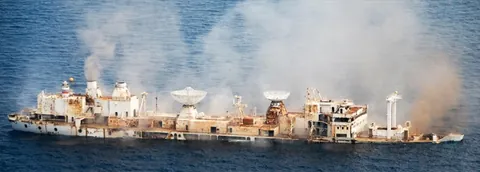
Sunk May 27, 2009
Missile Tracker
523 ftLength
72 ftBeam

Site description

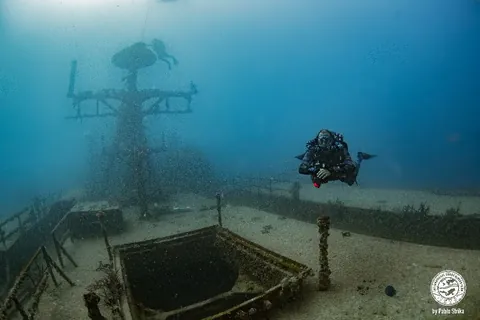
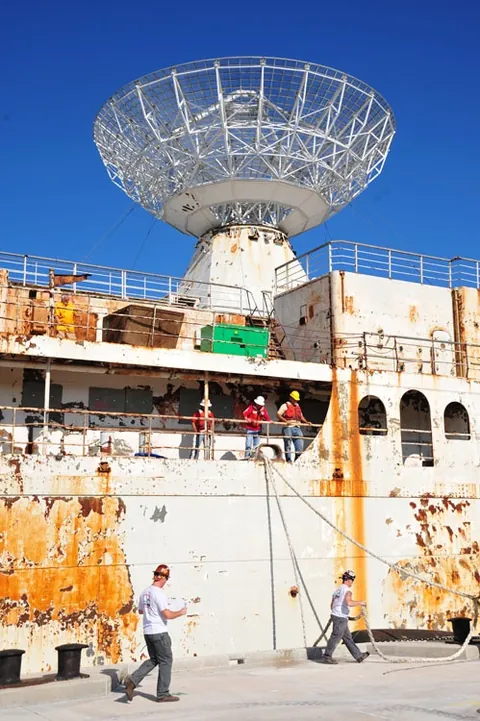
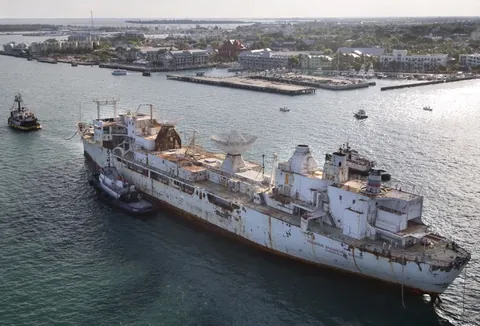
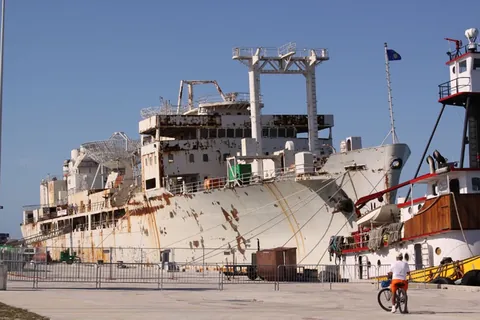
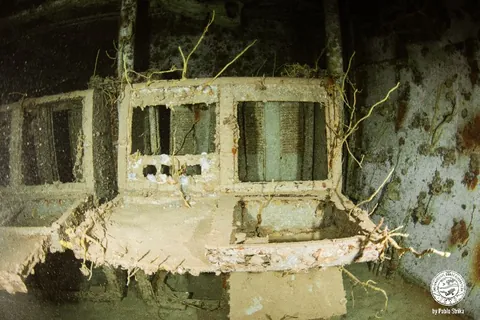
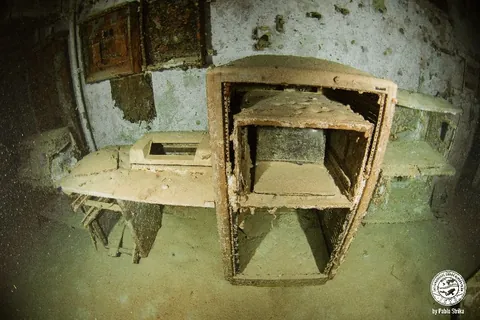
Off the coast of Key West lies the Vandenberg, a 522-foot-long, 11-story-tall artificial reef, attracting advanced divers worldwide. Formerly the USS Gen. Harry Taylor and USAF's Gen. Hoyt Vandenberg, this historic ship served as a troop transporter during WWII and later as a missile tracking vessel. Built in 1943 by Kaiser Shipyard in California, the Vandenberg played a significant role in history, including being the first ship to return to New York Harbor after Japan's surrender. Decommissioned in 1958, it was reacquired by the Air Force in 1961 and later by the Navy in 1983. Now, resting in 165 feet of water due to Hurricane Irma's impact, the Vandenberg's main deck lies between 100-105 feet deep, with superstructures reaching 55-70 feet. The ship's intriguing features, strategically relocated for divers, include: — Wheelhouse with a telescope from its star-tracking system — Radar dishes and crow's nest — Relocated smokestack on the weather balloon hangar — Swim-throughs at 100 feet, home to marine life The Vandenberg was intentionally sunk on May 27, 2009, to create an artificial reef, supporting marine life and eco-tourism. This iconic dive site offers: — Unique structure and marine life encounters — Opportunities for advanced divers to explore stairwells, hallways, and cargo holds — A testament to history, from WWII to the Cold War era

Route & typical conditions

Route

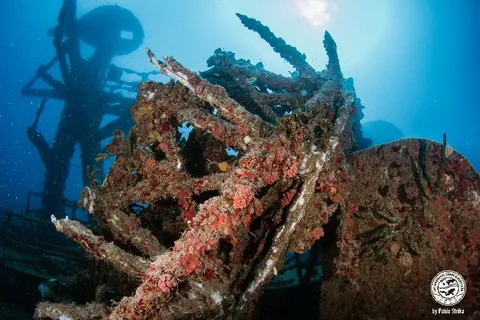
The Vandenberg wreck offers accessible diving for less experienced explorers on days with lighter currents and better visibility. Notable attractions include: — Signature kingpost structure with a suspended giant U.S. flag — Large crow's nest — Tops of the bridge, communications center, and aft Balloon Hangar Originally, large dish antennae topped pyramid-like support towers, allowing shallow access. However, they broke loose during sinking and were resecured to the decks with heavy cable. The support towers' central location provides: — Ideal vantage points for photography — Overview of the ship's layout These features, situated at shallower depths, make the Vandenberg an attractive destination for divers of various skill levels.

Typical conditions

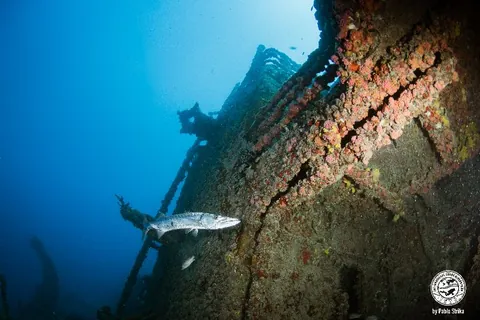
There are 5 surface buoys and 1 submerged buoy for dive boats to tie up to. Accessing the wreck is done via down-line from the dive boat to the wreck. Visibility is usually good ranging from 30 feet - 100 feet. Currents are generally light to non-existent but can be ripping on some days. Since hurricane Irma the Vandenberg was moved slightly deeper and turned 30 degrees from her original position. The main deck is the perfect depth for Nitrox certified divers. The wreck is home to an abundance of wildlife - sharks, rays, goliath grouper, barracuda, and huge schools of sardines. The satellite dishes are mostly intact and enormous

Wreck history

General Hoyt S. Vandenberg historic photo
The Vandenberg has a rich history spanning over six decades: 1944-1946: Commissioned as U.S. Army Transport Gen. Harry Taylor, serving in WWII. 1950-1961: Reacquired by the Navy for Military Sea Transportation Service. 1961-1983: Transferred to U.S. Air Force, renamed Gen. Hoyt S. Vandenberg, and employed as Advanced Range Instrumentation Ship (ARIS 2) for missile and spacecraft tracking. 1983-1993: Retired and stored at James River, Fort Eustis, Va. 1993-1996: Title transferred to U.S. Maritime Administration (MARAD); leased to Universal Studios for film "Virus." 1996-2007: Identified as top candidate for artificial reef; Artificial Reefs of the Keys formed to acquire the vessel. 2007: Title transferred to State of Florida; withdrawn from James River Naval Reserve Fleet for cleanup and preparation. 2009: — April 22: Arrived in Key West for final preparations. — May 27: Sank at 10:24 a.m., six miles south of Key West, becoming an artificial reef. Today, the Vandenberg serves as a popular dive site and thriving marine habitat.

Divers' uploaded pictures

No diver pictures yet.

Divers' reviews

Be the first to add a review