Guides
South Florida and the Keys in 3 Diving Days
P
Pablo Strika Admin
·
June 10, 2026
·
10 min read
Wreck DivingRoad TripFlorida Keys

Best suited for divers certified Advanced Open Water and above.
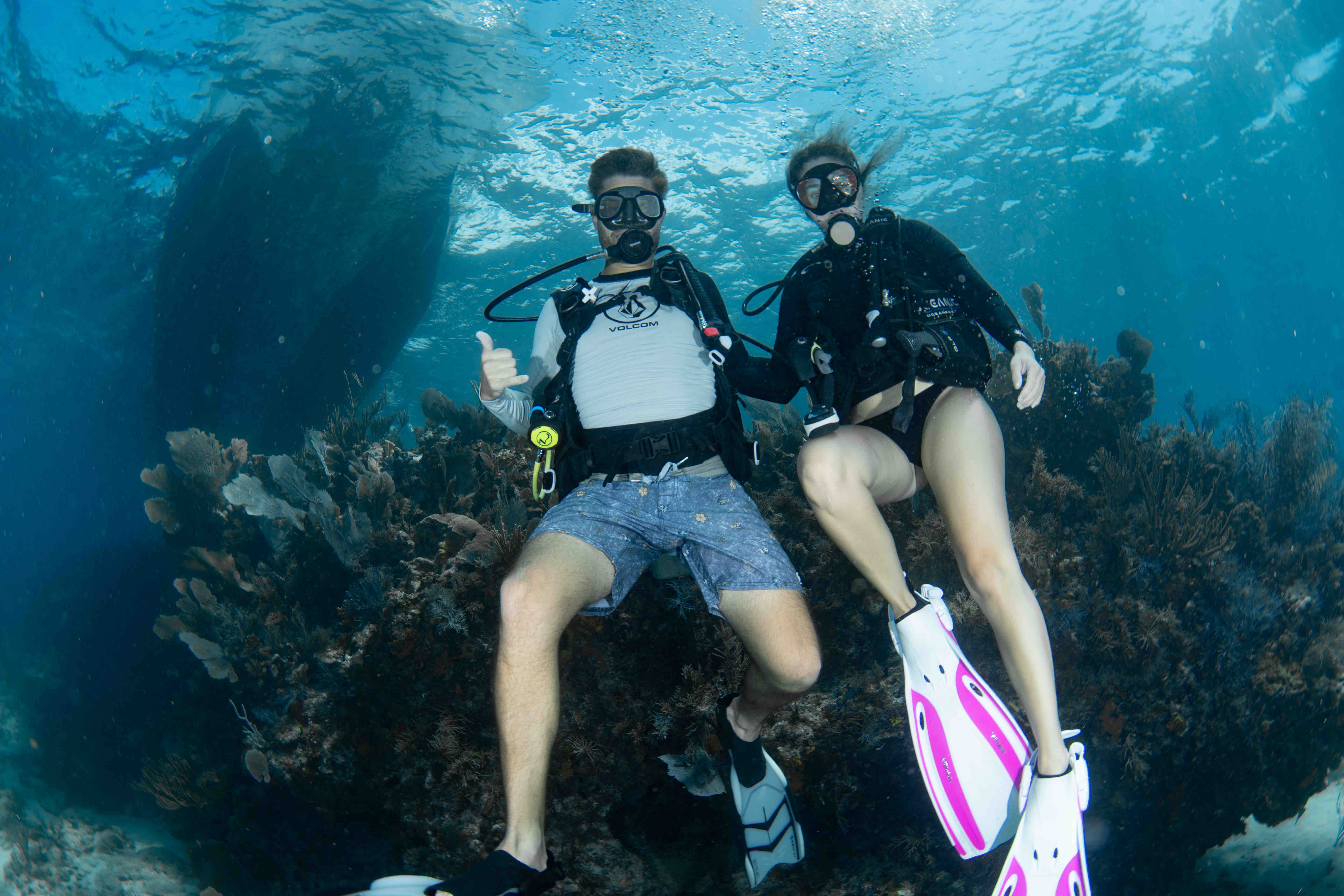
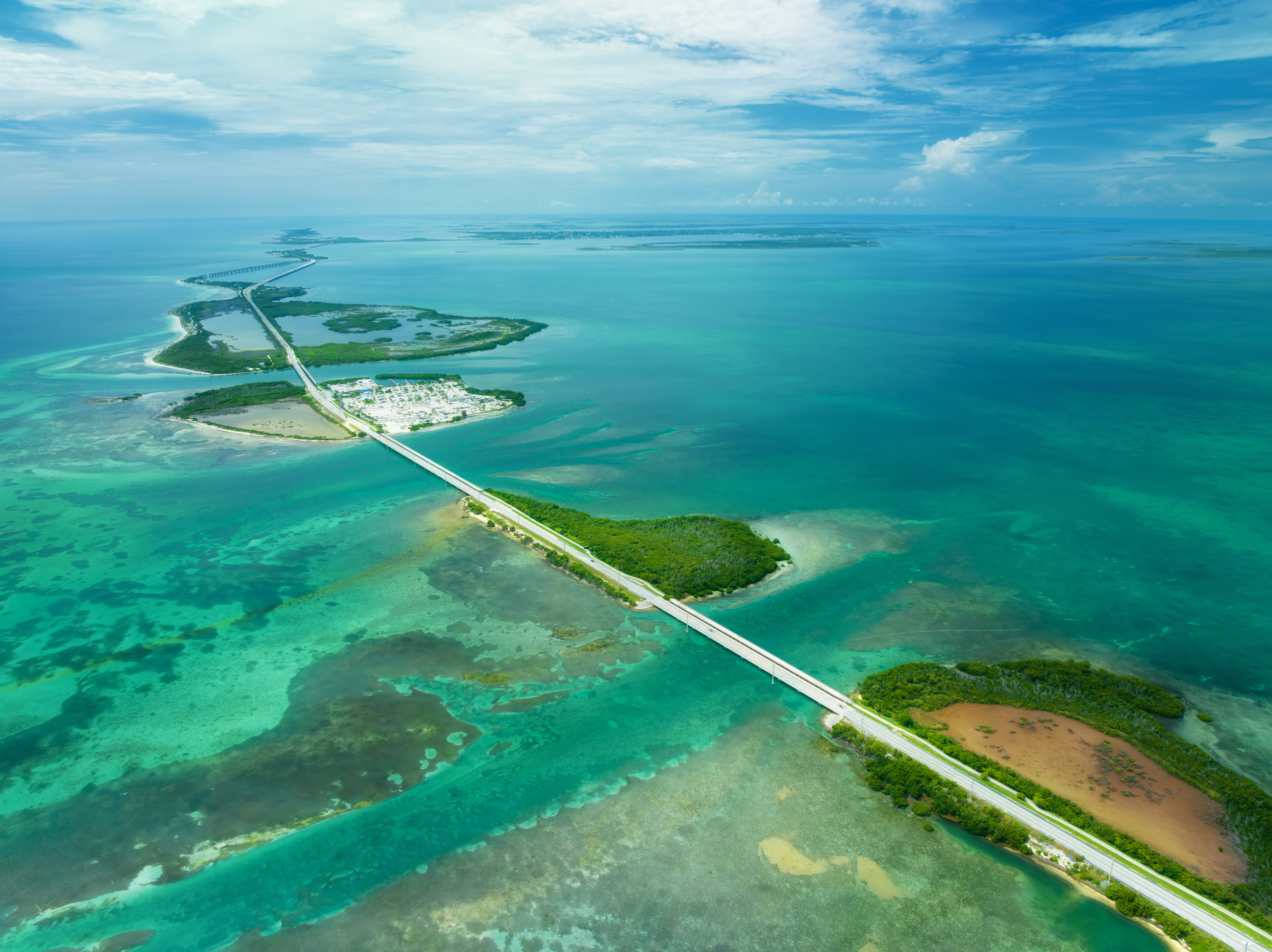
The drive from Key West to Pompano Beach runs about four and a half hours up the Overseas Highway and I-95. Most people treat it as the price of admission for a week on the water somewhere else. Done right, it's the trip itself: three days, six to eight tanks, and four of the best wrecks in the country - the Vandenberg, the Spiegel Grove and Lady Luck - with a reef dive stacked behind each one to keep the nitrogen honest. Here's the route, shop by shop and bed by bed, for divers with a long weekend and their own car.
Why run it as a road trip
Fly-and-dive trips usually mean picking one destination and staying put for the week. Driving the Keys north to Pompano flips that premise: you sleep in the town you're diving out of, wake up a short walk or a quick drive from the dock, and never lose a morning to an airport or a rental-car counter.
The rule that makes it work is simple and worth stating up front: always spend the night in the town you're diving in tomorrow, not the town you dove in today. Drive after the day's tanks are empty, arrive in the next town for dinner, sleep there, and wake up minutes from the boat instead of hours from it. Get the order backwards - sleeping where you just finished instead of where you're headed - and you're driving before dawn to make an early boat, which defeats the entire point of the trip.
Who this is for: certified divers comfortable in current and at depth, planning a long weekend rather than a full week, who'd rather drive their own pace than commit to one shop's boat for five straight days. If that's not you yet, the reef half of each day still works fine on its own - you can run this same route as an all-reef, Open Water-friendly weekend and simply skip the morning wrecks.
The night before: Key West
Arrive in Key West the evening before you dive, whatever that means for your own drive down. You just want to be asleep a short drive from the dock, not making the drive at six the next morning - the boats leave early, and the Overseas Highway does not care about your schedule.
Day 1: the Vandenberg, then Looe Key - then drive to Key Largo
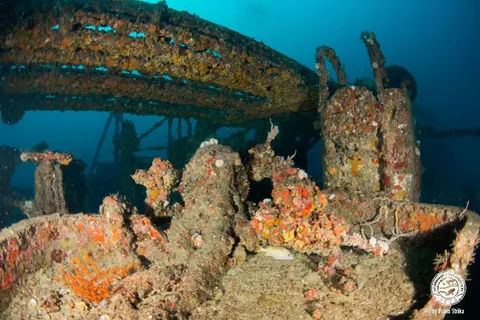
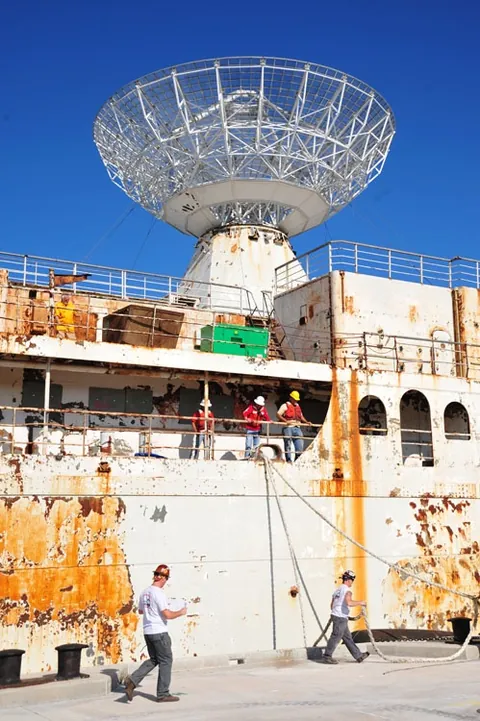
Morning: the General Hoyt S. Vandenberg, two tanks, with Lost Reef Adventures or Captain Hook's Key West. The 520-foot former missile-tracking ship - decommissioned from a Cold War career reading Soviet rocket telemetry - sits about seven miles off Key West, reaching down to roughly 140 feet at its deepest points. That puts it squarely in Advanced Open Water territory, not a stretch for an experienced Open Water diver under the right guide, but not a first wreck either. Ask for the double-dip: the first tank on the superstructure and the big tracking dishes near the top, where the light is best for photos, and the second dropping deeper along the hull once you've got your bearings and your buoyancy dialed in.
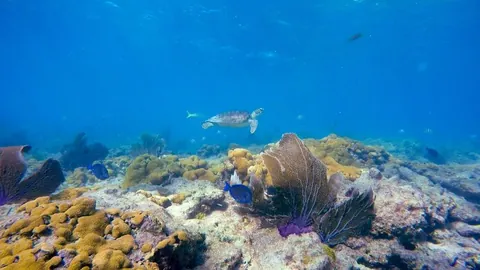
Afternoon: after the Vandenberg, drive about 45 minutes up to Big Pine Key for Looe Key with Captain Hook's Big Pine Key. This is a total change of pace - shallow spur-and-groove coral inside the Florida Keys National Marine Sanctuary's preservation area, topping out around 90 feet but mostly dove much shallower, with long coral fingers running perpendicular to the reef crest and sand channels between them thick with grunts and snapper. Long bottom time, easy on the nitrogen after a deep morning, and every level from Open Water up is welcome. Sanctuary rules apply here: no touching, no collecting, no anchoring outside the mooring field, and it's enforced.
Evening: once Looe Key is done, keep driving - Big Pine Key to Key Largo is about two hours. It's the longest driving stretch of the whole trip, and it's deliberately the one you do on the day with the shallower afternoon dive, so you land in Key Largo with tomorrow's early Spiegel Grove boat close by, not two hours away. Sleep at the Holiday Inn Key Largo, or any hotel near the marina Horizon Divers runs from.
Day 2: the Spiegel Grove, then a reef - then drive to Pompano
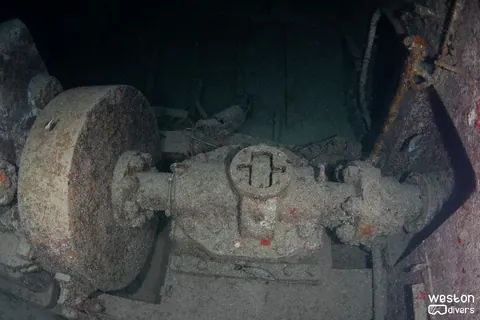
Morning: the USS Spiegel Grove, two tanks, with Horizon Divers. At 510 feet, this landing ship dock is one of the largest vessels ever intentionally sunk as an artificial reef, and getting it down wasn't clean - the ship partially sank ahead of schedule during the 2002 sinking and had to be finished off later, then Hurricane Dennis rolled the whole wreck onto its side in 2005. Divers spent three years exploring it sideways before a salvage operation finally rolled it back upright in 2008, and it now sits at about 135 feet, another Advanced Open Water dive. Ask any local instructor about the sinking and they'll have an opinion. Ask Horizon for the double-dip so you get the bow superstructure on one tank and the cargo deck and vehicle ramps on the other.
Afternoon: Molasses Reef or French Reef, both around 90 feet at their deepest and comfortable for every level. Molasses has the volume of fish life and sheer amount of coral structure - it's frequently cited as one of the most-dived reefs in the country for exactly that reason; French has the swim-throughs and arches, including a network of tunnels divers nickname the Christmas Tree Cave. Either is a legitimate contender for the best reef dive in the Upper Keys - let the boat captain's read of the day's current and visibility make the call rather than picking one in advance.
Evening: drive down to Pompano Beach, about an hour and a half from Key Largo. Sleep at Sands Harbor Resort & Marina, on the Intracoastal, so you're close to South Florida Diving HQ Pompano's dock for tomorrow's early boat rather than driving down to it.
Day 3: Lady Luck, then a shallow wreck to finish
Morning: Lady Luck, with South Florida Diving HQ Pompano or Hydrotherapy. The centerpiece of Shipwreck Park, Lady Luck was sunk in 2016 with a deliberately playful casino theme - blackjack tables, roulette wheels, and mermaid sculptures welded to the deck - sitting at about 127 feet, another Advanced Open Water dive. It's grown in fast even by artificial-reef standards, and the theming makes it one of the more photogenic wrecks on this whole route. Pair it with a reef dive on the same trip; most Pompano operators run wreck-and-reef two-tanks as their standard morning charter.
Afternoon: Okinawa, or another of Pompano's shallow wrecks, paired with a reef or ledge. Okinawa tops out around 70 feet and is rated for every level, which makes it the right way to close a trip - keep the last afternoon light and easy, an easy surface interval, and no more deep time stacked onto three days of already-repetitive diving. This is deliberately the least demanding dive of the whole itinerary, and since Pompano is the end of the road-trip leg, there's no evening drive to plan around - stay another night, or start the drive home.
Day 4 (optional): Jupiter, a three-tank shark dive
If you can steal a fourth day, steal it - and if you know you're doing it, drive up from Pompano to Jupiter the evening of Day 3 instead of that morning, for the same reason as every other leg of this trip. Jupiter sits where the Gulf Stream swings in close to the Florida coast, delivering warm, blue, current-driven water just a few miles off the inlet - a different kind of diving from anything else on this route. Instead of swimming a fixed site, you drift over ledges and wrecks while the same nutrient-rich water that draws baitfish also draws sharks: lemon sharks, bull sharks, hammerheads and the occasional tiger shark are all regular sightings, usually in visibility well past 60 feet.
Emerald Charters has run these trips out of Jupiter for more than 25 years on a Coast Guard-certified 42-foot boat, and has built a genuinely strong track record of close encounters. The Esso Bonaire, an old fuel tanker resting around 85 feet, is one of the wrecks that comes up again and again on the day's dive plan - shallow enough for most certified divers, with enough structure for sharks to circle, and close enough to the inlet for a quick run back in if conditions turn. Florida requires a specific state permit before an operator can put bait in the water, and the dives that do it run a strict protocol: bait stays in a secured, crew-controlled container, divers hold a fixed position downcurrent rather than crowding the feeder, and there's no touching or chasing - the encounter comes to you. A handful of other local operators, including Jupiter Scuba Diving, report regular shark sightings on ordinary reef and wreck trips even without a dedicated feed. This is the bonus chapter of the trip, not the main event, but it's the one people remember longest. Check the operator directly for current season and conditions before building it into your dates.
If the weather doesn't cooperate
South Florida wind and swell can turn a three-day dive trip into a two-day one without much warning, and wrecks are the first thing to get cancelled when conditions are marginal - they sit deeper and take more current than the reefs beside them. Build one slack afternoon into the plan if you can, and treat the reef half of each day as the fallback for the wreck half, not the other way around: every shop on this route can swap a cancelled Vandenberg or Spiegel Grove morning for an extra reef trip with a day's notice, but the reverse is much harder to arrange.
Before you go
A few things are worth settling before you leave the driveway, not at the dock the morning of:
Sleep in the town you're diving in tomorrow, not the one you dove in today. Every overnight drive on this route happens after the day's tanks are empty, on purpose.
Tell the shop nitrox or air when you book, not at the dock. Three days of repetitive deep dives is exactly where nitrox earns its keep, and tanks need to be filled to match.
Book the double-dips ahead. The two-tank wreck trips on the Vandenberg, the Spiegel Grove and Lady Luck fill first on weekends, especially around holidays.
Check certification requirements with each shop directly - most want to see an Advanced Open Water card or equivalent experience before the deep wrecks, and policies vary.
What to bring
A dive computer. Non-negotiable on a trip that stacks deep wrecks three days running.
A camera. You'll want to keep a real memory of this trip - and the photos are what sell the next one to your dive buddies.
A surface marker buoy, gloves for handling wreck lines, and a spare mask.
A logbook, if any of the shops on this route require proof of recent deep or wreck experience before the morning boat.
Every operator named here runs a live calendar - check the trip finder for the Vandenberg, the Spiegel Grove, Lady Luck and the reefs in between before you lock in your dates, so you know a boat is actually running the day you plan to be there, rather than building an itinerary around a schedule that's already changed.
Dive these sites
-
1
A 520-foot former missile-tracking ship about 7 miles off Key West, reaching roughly 140 feet - the trip's first deep wreck, and the one to book a double-dip on.
-
2
Shallow spur-and-groove coral inside the sanctuary preservation area off Big Pine Key - the easy afternoon after the Vandenberg.
-
3
510 feet of landing ship dock, upright at about 135 feet since Hurricane Dennis rolled it over during the 2005 sinking.
-
4
The Upper Keys reef with the most fish life and structure - the Day 2 afternoon dive, or swap in French Reef for the swim-throughs.
-
5
Shipwreck Park's centerpiece, sunk with a casino theme, sitting at about 127 feet off Pompano Beach.
-
6
A shallow, easy wreck at about 70 feet - the right way to close a three-day trip without stacking on more deep time.
 OW
OW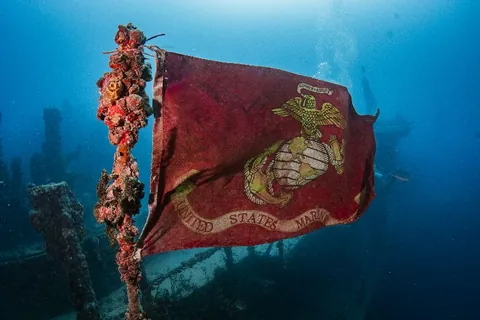
.webp)