
Dive Sites
Browsing as a guest. Create a free account to save trips and plan dives.
+1 photos

MV Castor

Wreck · Boynton Beach

26° 28.730' N 80° 02.228' W

Advanced Open Water Advanced Open Water Max 110 ft Avg 100 ft Temporary Line Today AMPoor

Details

Advanced Open Water
Minimum recommended certification
Max depth
110 ft
Average depth
100 ft
Access
Temporary Line
Sea state today
AMPoor PMPoor

Video

🎥 Didier Follain-Grisell

Pictures 4

Where it is

26° 28.730' N 80° 02.228' W

Next boats to this site 29

See all departures

Operators that dive here

Best Gas

atm
atm
Overlay Image
Gas prices
Aluminum 80 $10
Steel HP 100 $10
Steel LP 85 $10

Wreck Details

Sunk December 15th, 2001
Freighter
258 ftLength
40 ftBeam

Site description

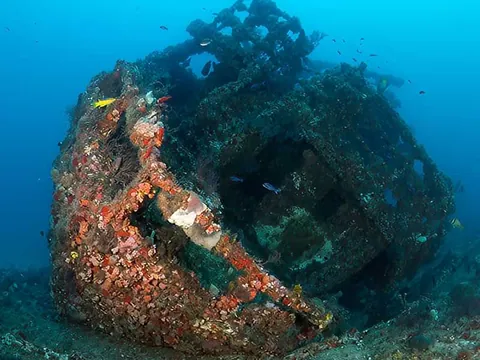
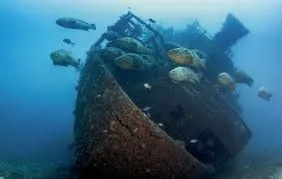
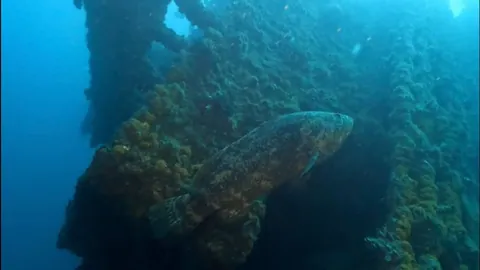
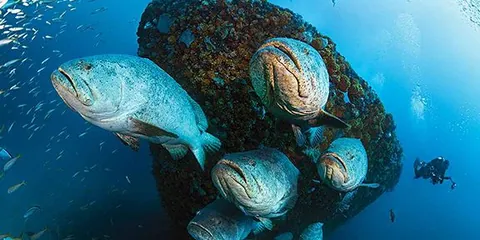
The MV Castor is a renowned wreck dive site, captivating divers with its intriguing blend of history, marine life, and ever-changing conditions. Located in Palm Beach County, Florida, this sunken vessel offers an adventure like no other. Diverse Conditions and Marine Encounters: Each dive at MV Castor is a voyage into the unknown. The conditions vary, making every descent a fresh experience. Currents shift daily, sometimes even within a single dive, challenging divers to adapt. But it’s precisely this unpredictability that draws them back time and again. The wreck’s large size and relative depth add to the allure, promising both excitement and mystery. Goliath Groupers: Gentle Giants: One of MV Castor’s most enchanting features is its resident population of goliath groupers. Approximately a dozen of these massive fish call the wreck home year-round. Their imposing yet gentle presence adds an otherworldly dimension to the dive. Imagine swimming alongside these behemoths, their ancient eyes observing your every move. Spawning Site and Summer Spectacle: As summer arrives, MV Castor transforms into a bustling spawning ground. Divers may find themselves surrounded by a hundred goliath groupers during this season. The sight of these majestic creatures congregating for their annual reproductive ritual is awe-inspiring. Their sheer size and the way they navigate the wreck’s coral-covered structure create a mesmerizing underwater ballet. Wreck Configuration and Coral Growth: Originally, MV Castor sat upright on the seabed, its deck positioned around 90 feet (27.5 meters) below the surface. The superstructure rose to within 60 feet (18 meters) of the water’s top layer. However, the passage of time has altered its form. The midsection collapsed, spreading hull plates like wings on either side of the deck. The bow and stern sections separated, now lying about 150 feet (46 meters) apart. The stern’s shallowest point reaches approximately 70 feet (21 meters), while the bow rests at around 80 feet (24 meters). Nature’s Takeover: Coral and sponge growth now adorn much of MV Castor’s structure. The wreck’s prolonged submersion allowed these organisms to flourish, creating a vibrant underwater ecosystem. Yet, the partial collapse restricts penetration opportunities for divers. Exploring the interior requires skill and caution, as passages are limited.

Route & typical conditions

Route

The wreck covers an area approximately the size of a football field, and most divers explore both the stern and bow sections. Dive operators often secure their lines to either the bow or stern, marking the start and end points of the dive. These two sections are particularly fascinating because they are the most intricate parts of the wreck. However, don’t overlook the deck and hull plates lying in the sand between these sections—they provide shelter for lobsters, snapper, black grouper, and the occasional nurse shark. Goliath grouper can be found throughout the wreck, but they are most commonly seen around the larger stern section, where there are more hiding spots within the structure. Keep an eye out for barracuda hovering in the water column, and you might encounter a large school of horse-eye jacks near the bow

Typical conditions

Conditions vary in this site, but one thing is certain: current are always present - and typically north. The presence of moderate to strong currents make visibility mostly good in this site (ranging from 50 to 80 feet)

Wreck history

MV Castor historic photo
The Castor, originally designed as a shelter-deck coaster, had a fascinating history. Initially built as the Dynacontainer IV, it was launched as the Dorothee B05 in 1970 at the Martenshoek shipyard in the Netherlands by Bodewes Scheepswerven B.V. Over the next three decades, the vessel underwent no less than 14 name changes before finally being renamed the Castor in 1998. At 250 feet in overall length, 39 feet wide, and displacing 499 tons, the Castor was a substantial ship. On May 31, 1999, the Castor encountered the H.M.S. Marlborough north of Venezuela. The Marlborough was carrying U.S. Coast Guard law enforcement officers who discovered a staggering 8,687 pounds of cocaine hidden in one of the Panamanian freighter’s shipping containers. This seizure was the twelfth largest on record at the time. After being escorted to Miami, the Castor was eventually abandoned by its owner and left to become a derelict vessel. However, the story doesn’t end there. Palm Beach County acquired the freighter with a new purpose in mind: transforming it into an artificial reef. On December 14, 2001, the Castor was intentionally scuttled south of Boynton Inlet, where it now rests upright in 110 feet of water. Divers exploring the wreck will encounter the main deck at 90 feet, which has already become a vibrant tapestry of color thanks to encrusting marine life. Keep an eye out for collapsed portions of the starboard hull and wheelhouse—likely the result of the unusual hurricane season of 2004.

Divers' uploaded pictures

No diver pictures yet.

Divers' reviews

Be the first to add a review