Dive Sites
Browsing as a guest. Create a free account to save trips and plan dives.
+1 photos

Northern Light

Wreck · Key Largo

25° 03.024' N 80° 12.986' W

Technical Normoxic Trimix Technical Normoxic Trimix Max 200 ft Avg 182 ft Hot Drop Today AMNo dive

Details

Technical Normoxic Trimix
Minimum recommended certification
Max depth
200 ft
Average depth
182 ft
Access
Hot Drop
Sea state today
AMNo dive PMNo dive

Video

🎥 Andre Andrade

Pictures 4

Where it is

25° 03.024' N 80° 12.986' W

Next boats to this site 2

Operators that dive here

Best Gas

atm
atm
ft
ft
Gas density
Overlay Image
Gas prices
Aluminum 80 $10
Steel HP 100 $10
Steel LP 85 $10

Wreck Details

Sunk November 8, 1930
Freighter
300 ftLength
40 ftBeam

Site description

Divers should keep in mind the age of this wreck and that it sits in an area known to have strong currents before doing any penetration diving.

Route & typical conditions

Route

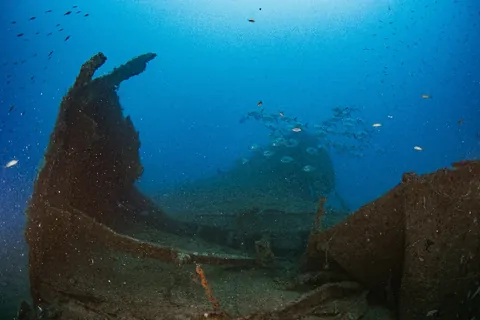
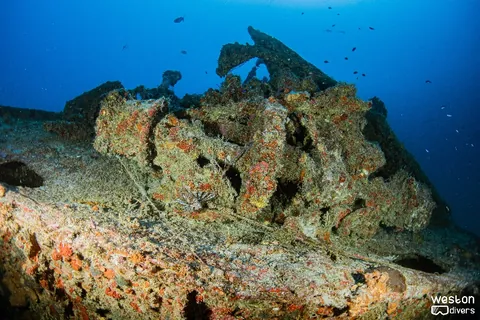
The vessel split into two parts, possibly during its descent or amid a fierce hurricane. The bow remains proudly upright, its anchor suspended on the starboard side, firmly fastened to the windlass by its chain. Meanwhile, the stern rests inverted atop the midship, its rudder sharply turned to starboard.

Typical conditions

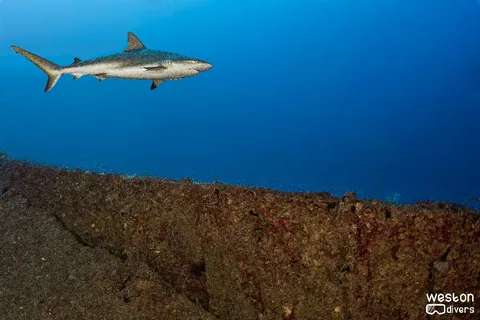
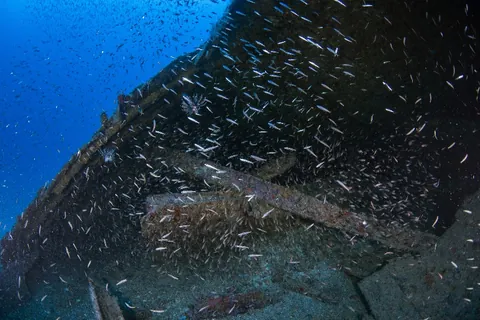
In these waters, clarity is typically exceptional, offering divers the chance to glimpse the wreck while descending. Access points through sizable apertures enable exploration of select sections of the sunken vessel. Vigorous currents swirl nearby, though divers often seek refuge near the inverted stern and angled rudder for protection.

Wreck history

Constructed in 1888 as a freighter, she emerged as the first steel-hulled steam freighters, designed primarily for navigating the expansive waters of the Great Lakes. Despite passing through various hands, it wasn't until 1917 that her fate took a pivotal turn when an ambitious owner sought to transform her into an ocean-faring vessel. However, her substantial dimensions—300 feet long with a beam of 40 feet—presented a formidable obstacle as she couldn't maneuver through the lock system intact. The unconventional solution involved burning out her rivets, causing her to split in two and allowing passage through the locks. Reassembled and refitted, she found a new berth in Mobile, Alabama, a bustling port hub. The Roaring Twenties brought economic strain, leading to an ill-fated insurance ploy on August 16, 1927. Amid severe financial pressures, her owner orchestrated a fire onboard, alongside several other vessels, in a desperate bid for insurance payouts. Yet, the scheme floundered, culminating in legal repercussions for the owner and marginal damage to the ship. Acquired once more, her new custodian undertook extensive repairs, repurposing her as a practical barge. Tragedy struck on November 8, 1930, during a treacherous tow in turbulent seas. Severed from her escort in a violent storm off Key Largo, she plummeted some 200 feet to rest on Elbow Reef's seabed. The harrowing ordeal claimed the lives of five of her seven crew members, with the remains of five tragically unrecovered.

Divers' uploaded pictures

Divers' reviews

profile_image
Andre Andrade
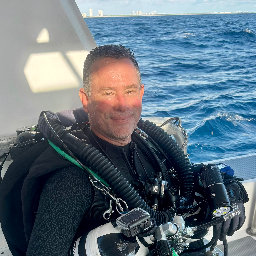
This is one of my favorite wrecks in South Florida. I love that it's a natural wreck rather than an artificial reef. It lies at a depth that's perfect for my tech diving style. The wreck itself is fascinating, with its rudder standing upright, creating an impressive view. Inside the ship, you can still discover interesting details, like coal in the old boiler.
posted on 2024-09-04 14:01:39