Dive Sites
Browsing as a guest. Create a free account to save trips and plan dives.
+2 photos

SS Copenhagen

Wreck · Pompano Beach

26° 12.349' N 80° 05.108' W

Open Water Open Water Max 32 ft Avg 14 ft Permanent Mooring Balls Today PMPoor

Details

Open Water
Minimum recommended certification
Max depth
32 ft
Average depth
14 ft
Access
Permanent Mooring Balls
Sea state today
AMPoor PMPoor

Video

🎥 DaveSeas360

Pictures 5

Where it is

26° 12.349' N 80° 05.108' W

Next boats to this site 1

Operators that dive here

Best Gas

atm
atm
Overlay Image
Gas prices
Aluminum 80 $10
Steel HP 100 $10
Steel LP 85 $10

Wreck Details

Sunk May 26th, 1900
Schooner
325 ftLength
47 ftBeam

Site description

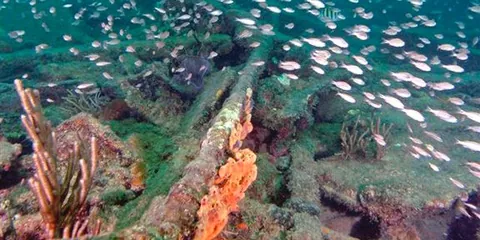
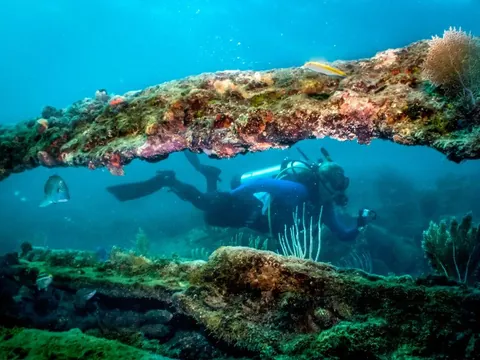
The SS Copenhagen, a steel-hulled schooner-rigged steamship, was constructed in Sunderland, England, and registered to the Glasgow Shipowners Company, Ltd. It was used to transport cargo across the Atlantic. Unfortunately, on May 26, 1900, the Copenhagen sank on the Pompano Drop Off during a voyage between Pennsylvania and Cuba. The crew attempted to unload the nearly 5,000 tons of coal it was carrying, but they couldn’t free the vessel from the reef. An investigation attributed the wreck to improper navigation by the ship’s captain, William S. Jones. Over time, the Navy used the visible wreck for target practice during World War II before it eventually sank. Today, the SS Copenhagen rests on the ledge of a reef in 16-31 feet of water, with its bow facing south. It lies approximately ¾ of a nautical mile offshore of Lauderdale-by-the-Sea, south of Hillsboro Inlet. The ship’s engine, boilers, propeller, and other machinery were stripped, but the remaining structure is well preserved. During an excavation attempt, the bow section was removed and now lies 200 yards southeast of the wreck. The Copenhagen has become an artificial reef, providing a habitat for marine life. Hard and soft corals, multicolored sponges, and juvenile reef fish thrive on the steel hull plates, creating a sheltered nursery for various species

Route & typical conditions

Route

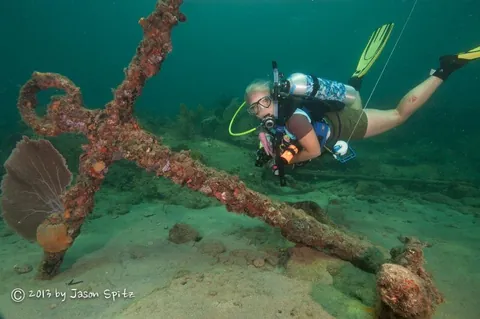
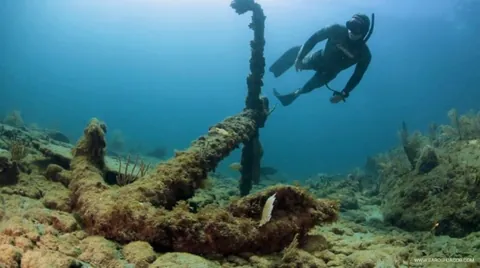
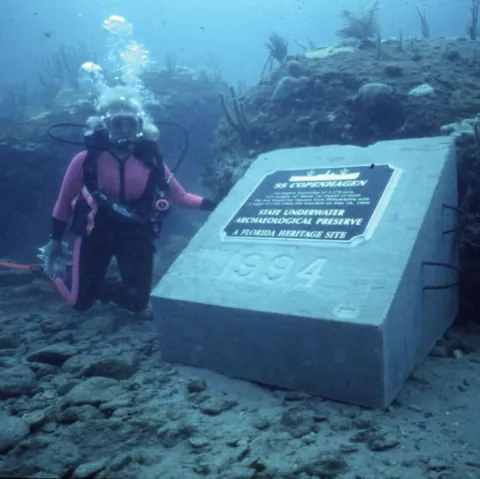
Given it's a shallow wreck, divers typically explore the site on their own route, but more often than none the dive starts in the southern part where the remaining of the bow is and then continue north to explore the stern. Then coming back south to return to the boat. Anchor and Plaque: Toward the southern end of the wreck, you’ll find the ship’s anchor, a testament to its history. An underwater plaque commemorates the Copenhagen and designates it as an Underwater Archaeological Preserve. Engine and Boiler Space: Amidships, explore the engine and boiler space. The donkey boiler, used for cargo handling while the ship was in port, is still visible. Pillow Block: Rising from the wreckage toward the stern, a pillow block once supported the propeller shaft. It’s a unique feature to observe. Marine Life: The Copenhagen’s steel hull plates and frame are now home to a vibrant ecosystem. Corals and sponges densely cover the wreck, attracting various fish species. Keep an eye out for goatfish, grunts, angelfish, grouper, snapper, lobsters, moray eels, and occasional nurse sharks. Exploring the Reef: After the wreck, divers often explore the surrounding reef, known as the “Nursery.” Juvenile reef fish thrive here, making it a captivating underwater habitat .

Typical conditions

Conditions are often great in this site. Visibility is common to be 50 feet plus. Currents are mild and water temperature is very confortable.

Wreck history

SS Copenhagen historic photo
The SS Copenhagen, a steel-hulled schooner-rigged steamship, embarked on its maiden voyage in 1898. Registered to the Glasgow Shipowners Company, Ltd., it plied the Atlantic, transporting cargo between Pennsylvania and Cuba. However, fate intervened on May 26, 1900, when the Copenhagen ran aground on the Pompano Drop Off. Picture this: nearly 5,000 tons of coal loaded onto the vessel, its crew striving to free it from the reef. Despite their efforts, the ship remained stranded. Captain William S. Jones faced scrutiny for improper navigation, ultimately leading to the wreck. The Copenhagen became a visible fixture above water, catching the attention of the Navy during World War II, which used it for target practice. Now, let’s explore the remnants beneath the waves. The Copenhagen rests on the reef ledge, its bow pointing south, approximately ¾ of a nautical mile offshore from Lauderdale-by-the-Sea. The once-mighty engine, boilers, propeller, and other machinery were stripped away, leaving behind a well-preserved structure. During an excavation attempt, the bow section was removed, now resting 200 yards southeast of the wreck. But that’s not all! The Copenhagen has transformed into an artificial reef, teeming with life. Imagine hard and soft corals, multicolored sponges, and juvenile reef fish thriving on its steel hull plates. Goatfish, grunts, angelfish, grouper, snapper, lobsters, moray eels, and the occasional nurse shark call this underwater sanctuary home. Divers and snorkelers, take note: explore the anchor, admire the underwater plaque honoring the ship’s legacy, and venture into the engine and boiler space. The donkey boiler, once used for cargo handling, awaits your curious gaze. And don’t miss the pillow block rising toward the stern—a relic of maritime history.

Divers' uploaded pictures

No diver pictures yet.

Divers' reviews

Be the first to add a review