Seasonal Diving Conditions in the Florida Keys: A Month-by-Month Guide for Local Divers
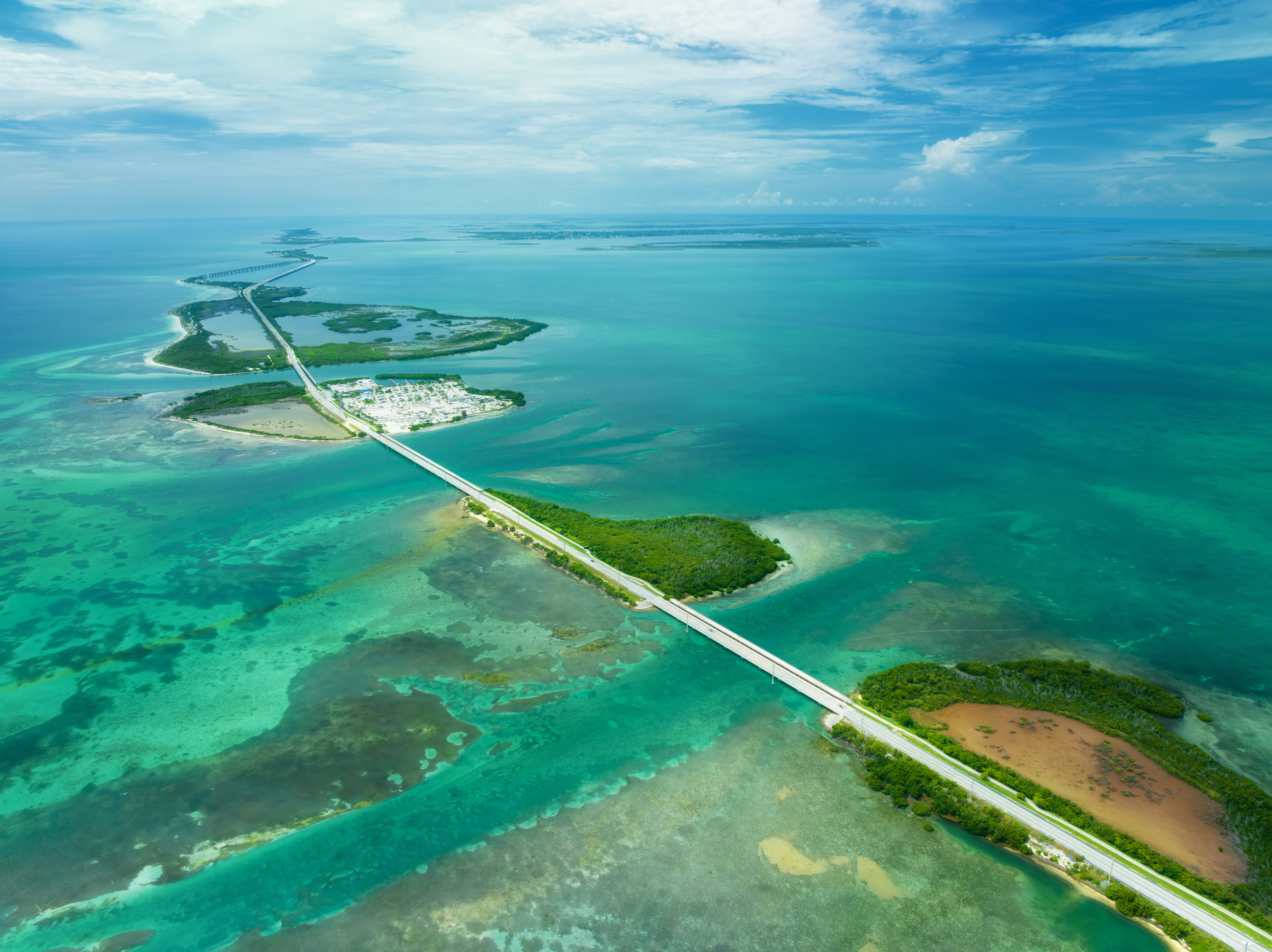
The Keys sit at the intersection of three influences: the Gulf Stream running just offshore, warm Caribbean water pushing up from the south, and Atlantic weather systems tracking across from the north. That combination is why conditions here move so much from week to week - and why they move in ways you can anticipate.
Two things drive almost everything a diver notices:
Wind direction and how long it has held. Sustained wind builds sea state and stirs sediment on the shallow reefs. A wind that lays down for a day or two is usually worth more to your visibility than any other single factor.
Where the Gulf Stream is sitting. When it pushes in close, it brings that cobalt blue offshore water over the deeper sites and the wrecks. When it edges out, the deep sites go greener.
What follows is the month-by-month version of that, from the perspective of divers who are in the water here year-round.
❄️January to March: winter clarity and big animal season
What divers experience
Cooler water, roughly 72 to 76F ♦︎ Excellent visibility on the weeks the northeast wind settles ♦︎ Frequent Gulf Stream pushes bringing cobalt blue water ♦︎ More pelagic action - sharks, eagle rays, big jacks ♦︎ Choppier seas when the fronts come through
Why winter is special
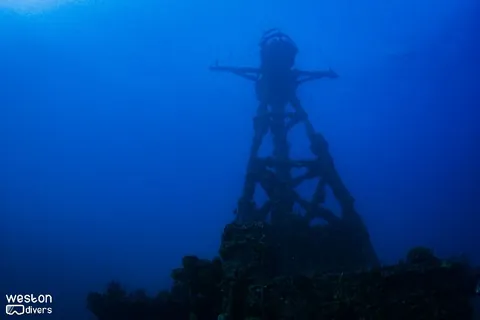
Winter is when the Keys feel most Atlantic. The water is crisp, blue and full of life, and the big animals show up in a way they don't in August. The deep wrecks are the headline: the Spiegel Grove and the Duane often run 60 to 100 feet of visibility on a good winter week, which is as close to a perfect wreck day as this coast gets.
The trade-off is the calendar. Cold fronts arrive on their own schedule, and a blown-out week is a real possibility. Build flexibility into a winter trip - book the days, not the sites, and let the boat captain pick the direction that morning.
Local tip: if the wind has been out of the east for 48 hours, expect mint conditions on Key Largo's deeper sites.
Exposure note: 72F is a full 3mm for most divers and a 5mm for anyone who runs cold or is doing three tanks a day. Winter is the season where people get talked out of a third dive by the wind, not the water.
🌼April to June: the spring sweet spot
What divers experience
Warming water, roughly 78 to 82F ♦︎ Stable weather patterns ♦︎ Consistent visibility week over week ♦︎ Peak reef color - the coral genuinely looks its best ♦︎ Excellent conditions for new divers and for photographers
Why spring is magic
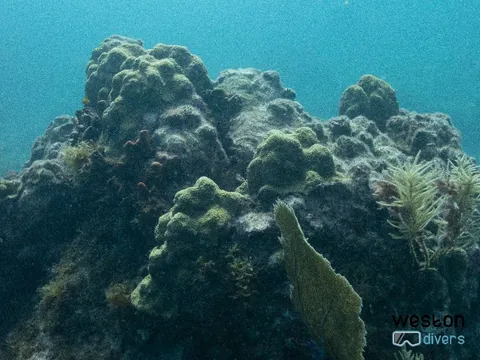
This is arguably the most balanced season in the Keys. Calm seas, warm water, predictable conditions - the three things that rarely line up at the same time anywhere else in the year. The shallow reefs are where spring shows off: Molasses Reef, French Reef and Alligator Reef all look incredible, with enough light and clarity to make the color pop the way the postcards promise.
It is also the season to bring someone on their first ocean dives. Flat seas and 80F water take the two biggest stressors out of the equation, and a shallow reef with an hour of bottom time is a better introduction to diving here than any deep wreck.
Local tip: late April and early May often deliver the best wide-angle photography of the year.
☀️July to September: summer glass and summer chaos
What divers experience
Bathtub water temperatures, roughly 84 to 88F ♦︎ Flat seas - some mornings the surface looks like a swimming pool ♦︎ Outstanding shallow reef visibility ♦︎ Sargassum blooms, which vary a lot year to year ♦︎ Tropical systems that can rewrite conditions overnight
Why summer is a paradox
Summer hands you the single best shallow reef days of the entire year, and also the least predictable weather of the year. A glassy 6am departure can turn into a stormy afternoon with lightning on the horizon and a cancelled second trip. Both of those are normal in the same 24 hours.
The way locals handle it is simple: dive early. Morning departures in summer beat afternoon departures more reliably than in any other season, because the afternoon convection builds on its own schedule regardless of what the morning looked like.
Summer is also the season where you actually feel the water temperature working against you - 88F sounds great until hour three, when you're overheating on the surface between dives. A skin or a shorty, plenty of water, and shade on the boat matter more in July than a thicker wetsuit ever will.
Local tip: if you see brown water lines offshore, that's sargassum decay - pick reefs farther from shore.
🍂October to December: the fall reset
What divers experience
Cooling water, roughly 76 to 80F ♦︎ Improved visibility as summer sediment settles out ♦︎ Noticeably fewer crowds ♦︎ Great wreck conditions ♦︎ More fish activity as the water cools
Why fall is underrated
Fall brings a reset to the reef. The summer sediment settles, visibility climbs back up, temperatures sit in the comfortable middle, and the boats aren't packed. It is a strong season for both ends of the spectrum - wrecks, because the deep water cleans up, and macro photography, because you have the time and the space to work a small subject without a crowd behind you.
The other quiet advantage: availability. The same charters that book out weeks ahead in spring often have space a few days out in November, which makes fall the easiest season to dive on short notice.
Local tip: November is one of the best months for Key Largo wrecks - calm seas plus clear water.
How to actually use this
Seasonal patterns tell you what to plan for. The week itself tells you what to book.
Pick the season for the kind of diving you want. Deep wrecks and big animals point to winter and late fall. Shallow reef and photography point to spring and summer mornings.
Watch the wind for the 48 hours before your dive, not just the day of. That is the single most useful habit a Keys diver can build.
Book the day, stay flexible on the site. The captains here move trips around conditions constantly, and the good ones will put you somewhere better than the site you asked for.
Nitrox earns its keep in winter and fall, when the profile is more likely to be a deep wreck followed by a second dive.
Check operator calendars and conditions on Divers Hub
Browse the dive sites mentioned here
Find a Keys operator and see who's running trips
Dive these sites
- 1
- 2
- 3
 OW
OW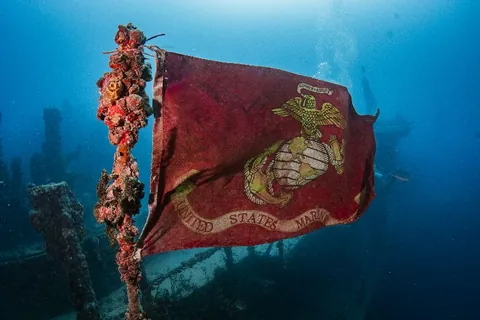
 AOW
AOW