Top 5 Wrecks to Dive in Fort Lauderdale

Best suited for divers certified Advanced Open Water and above.
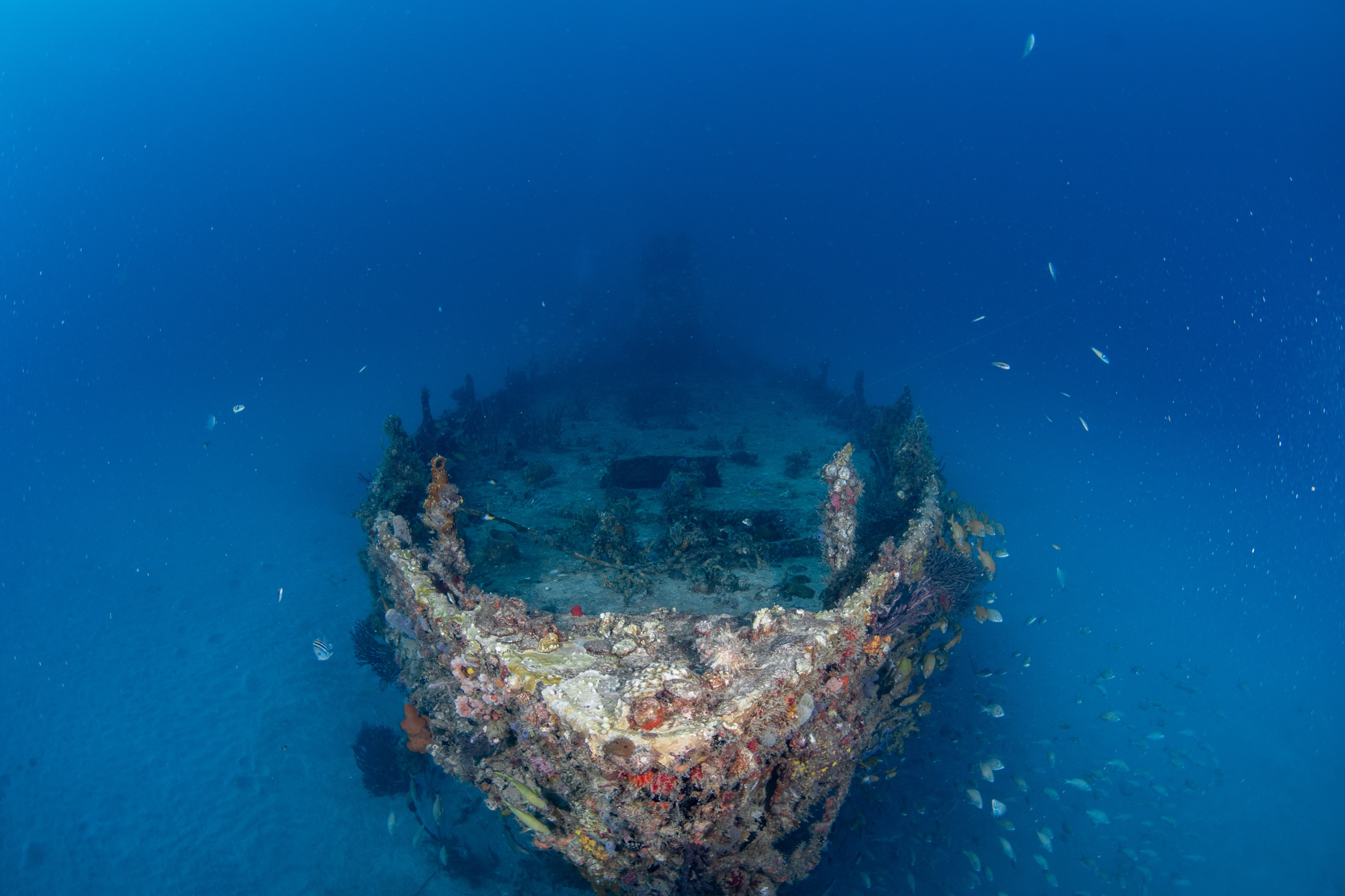
Fort Lauderdale's artificial reef program has sunk more than eighty vessels since the 1980s, most of them close enough to shore that a two-tank trip rarely means more than a short boat ride. These five stand out - not just for what's left of the ships themselves, but for the real, documented stories behind how they got there and the neighbors sitting a few hundred feet away. Here they are, roughly in order of how forgiving they are for the certification you're already carrying.
Ken Vitale, and the wreck trek around it
The Ken Vitale started out as a 131-foot cargo ship called the Tracey, seized by U.S. Customs for drug trafficking and left derelict in the Miami River until Broward County's artificial reef program gave it a second life. It went down on March 2, 1999, in exactly the spot that completes the Fort Lauderdale Wreck Trek - 200 feet north of Jay Scutti and 200 feet south of Merci Jesus, with the Ken Vitale's bow pointing north toward one and its stern facing south toward the other. A plaque onboard commemorates a local scuba instructor the wreck is unofficially named for.
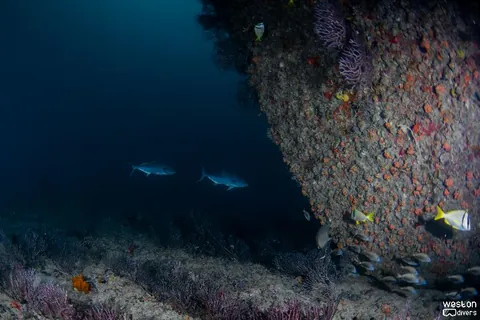
It sits upright in 70 feet of water with wide-open swim-throughs and a midship platform shallow enough to double as an overhead-environment intro for newer divers, while more experienced divers can work through the interior via several smaller ports. Southern stingrays, goliath groupers, resting nurse sharks and a resident four-foot barracuda are all regulars. Currents usually run north, so most charters pick up two of the three wrecks in a single dive depending on which way the water's moving - Merci Jesus and Ken Vitale on a north current, Ken Vitale and Jay Scutti on a south one. Bring a DPV and mild conditions, and a good diver can cover all three in about 55 minutes.
Donald G. McAllister, and the wrecks around it
Launched in 1946 out of a Port Arthur, Texas shipyard as a working tug, the Donald G. McAllister now sits upright in 70 feet of water off Dania Beach with her bow pointing north. Penetration is open to divers with the right training, and a resident Goliath grouper is known to patrol between this wreck and its smaller neighbors close by.
Those neighbors are worth knowing by name: Miss Dania Beach sits nearby with two smaller companions of its own, the 55-foot former landing craft Emmi Boggs and the 40-foot former yacht Summerfield. Four wrecks within easy reach of each other means a single dive here can turn into a genuine tour, not just one ship.
Miss Dania Beach
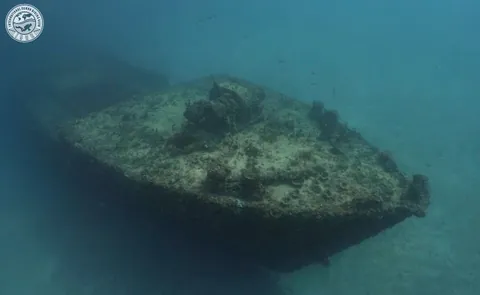
Before it was a dive site, this 126-foot, 210-ton vessel was HMCS Porte St. Jean, a Royal Canadian Navy net-tender built in 1951 that spent decades opening and closing anti-submarine nets around Halifax. Retired in 1996, it came to Fort Lauderdale's Derecktor Shipyard for a planned conversion into a private yacht - a plan that ended when the shipyard's owner, Robert Derecktor, passed away in 2001. Instead, the ship was sunk off Hollywood Beach on May 29, 2004, during Dania Beach's centennial celebration, officially dedicated as the Bob Derecktor Memorial Reef and known locally simply as the Miss Dania Beach.
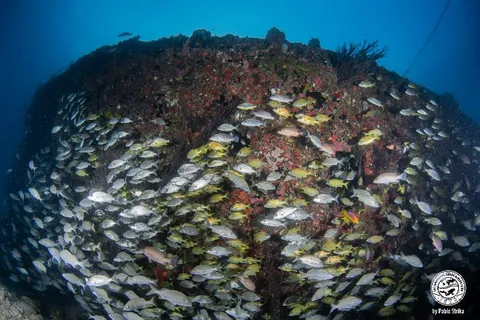
It rests at 75 feet with a slight list to port, largely intact and popular with novice and intermediate divers alike. Expect big schools of grunts, snapper and goatfish, with jacks and spadefish making regular appearances. It shares its stretch of sand with the Donald G. McAllister, the Emmi Boggs and the Summerfield, all covered above.
Dantor, for tech divers
The Dantor has changed names as many times as it's changed purposes. Launched in the Netherlands in 1974 as the Ameland, it became the Afhanelijk in 1988 and finally the Dantor in 1998 - the same year U.S. Customs seized it after tracing 880 pounds of cocaine loaded onto a rental truck back to the ship. It's rested at around 125 to 128 feet ever since, bow pointing south into the current like most wrecks along this stretch of coast.
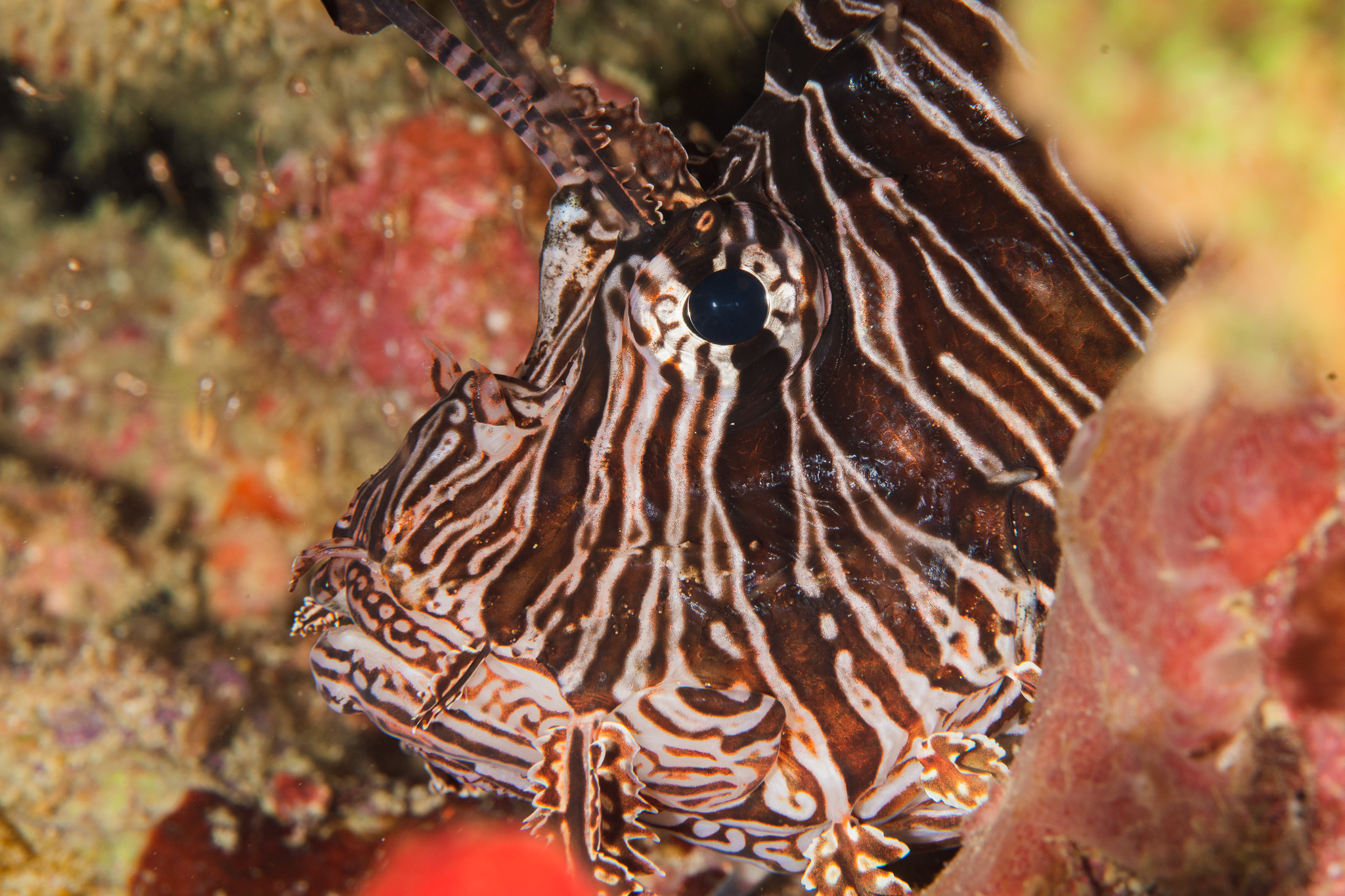
This is real technical-diving territory: the stern superstructure and the small bow crew quarters both offer genuine penetration, and the engine room sits wide open with marine life often so dense it cuts down visibility on its own. Lionfish are a regular sighting. Few charters run trips here at all, which is exactly what makes it worth seeking out if you have the training and the gas plan for it - a legitimate hidden gem on a coastline that doesn't have many left.
Robert Edmister
This 95-foot cutter began as WPB-95304, commissioned into the U.S. Coast Guard in 1953 and built for shallow-draft anti-submarine work during the early Cold War. Renamed Cape Gull in 1964, it worked search-and-rescue and law enforcement out of New York before a late-1970s refit sent it to Miami for drug interdiction duty, then was decommissioned in 1988. Fort Lauderdale businessman Fedele "Dale" Scutti bought the retired cutter at auction and had it renamed for a friend, real estate broker and environmentalist Robert Edmister, who had recently passed away. It was deliberately sunk on December 11, 1989.
The Robert Edmister now rests upright in 70 feet of water, roughly 2,000 feet due south of the Jay Scutti - which, in a small-world turn, is also a Dale Scutti reef, sunk in memory of his own son. To the south lies the broken-up remains of the Wendy Rossheim, a former motor yacht with its own long and strange ownership history; to the northeast sits the Paul Sherman, a converted shrimper better known as the Salvager III. Hurricane Andrew damaged the Edmister's aluminum superstructure further in 1992, but it remains one of the more approachable wrecks on this list for newer divers.
All five run on live operator calendars - check the trip finder before you book, since not every shop on this coast runs to all five, and Dantor in particular only shows up on a handful of technical-diving schedules.
Dive these sites
-
1
Ken Vitale
A 131-foot former drug-smuggling vessel at the center of the three-wreck Fort Lauderdale Wreck Trek, sitting at 70 feet between Jay Scutti and Merci Jesus.
-
2
Donald G. McAllister
A 1946 tugboat at 70 feet off Dania Beach, sharing its neighborhood with three smaller companion wrecks.
-
3
Miss Dania Beach
A former Royal Canadian Navy net-tender turned memorial reef, resting at 75 feet with a slight list to port.
-
4
Dantor
A former drug-running freighter at 125+ feet - real technical-diving depth, and rarely visited by charters.
-
5
Robert Edmister
A decommissioned Coast Guard cutter at 70 feet, sunk in memory of a friend by the same Fort Lauderdale figure behind the nearby Jay Scutti reef.
 OW
OW